 admin1
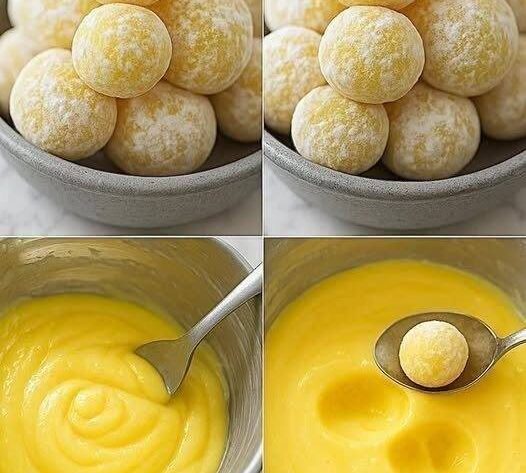
Keto lemon truffles are little bites of creamy, citrusy goodness that bring together the refreshing taste of lemon, the richness of cream cheese, and the delicate sweetness of a low-carb sweetener. They are soft, smooth, slightly tangy, and wonderfully satisfying, making them an excellent choice when you crave something sweet without the high carbohydrate content of traditional desserts.
These no-bake lemon truffles are especially appealing because they require no oven, no complicated baking techniques, and no lengthy list of specialty ingredients. With just a few simple ingredients and a little chilling time, you can prepare a batch of elegant, bite-sized treats that taste like a cross between lemon cheesecake and a delicate lemon cream candy.
Whether you follow a ketogenic diet, enjoy low-carb desserts, or simply want a refreshing homemade sweet, this recipe offers a delicious way to enjoy bright lemon flavor in a rich and creamy form.
The best part is that these truffles can be prepared ahead of time and stored in the refrigerator, making them convenient for afternoon treats, dessert platters, celebrations, or a little something sweet after dinner. Their fresh citrus flavor also makes them particularly enjoyable during warmer weather, although they are delicious all year round.
Why You Will Love These Keto Lemon Truffles
The appeal of keto lemon truffles lies in their simplicity. Traditional truffles often contain chocolate, heavy cream, and sugar, but this lemon-inspired variation takes a different approach. It combines cream cheese, butter, lemon zest, lemon juice, and powdered low-carb sweetener to create a smooth, cheesecake-like filling.
Each ingredient has a purpose, and when the ingredients are balanced properly, the finished truffles have a luxurious texture without needing complicated preparation.
The lemon provides freshness and acidity, which balance the richness of the cream cheese and butter. Lemon zest adds a more concentrated citrus aroma, while the sweetener softens the sharpness of the lemon without adding traditional sugar. A little almond flour helps the mixture hold its shape and gives it a slightly firmer consistency.
Another reason to love this recipe is that it is easy to customize. You can make the lemon flavor more pronounced, add a little vanilla for warmth, or roll the finished truffles in finely ground coconut for a delicate coating.
The result is a dessert that feels special without demanding hours in the kitchen.
Recipe at a Glance
- Preparation time: 15–20 minutes
- Chilling time: 1–2 hours
- Total time: Approximately 1 hour 30 minutes to 2 hours 20 minutes
- Yield: 16 truffles
- Serving size: 1 truffle
- Cooking method: No-bake
- Diet: Keto-friendly, low-carb, and gluten-free when suitable ingredients are used
- Texture: Creamy, smooth, and slightly firm when chilled
- Flavor: Bright lemon, gentle sweetness, and rich cheesecake notes
The chilling time may vary depending on your refrigerator temperature and the softness of your ingredients. If the mixture remains sticky after the first chilling period, give it additional time before shaping the truffles.
Ingredients for Keto Lemon Truffles
The following quantities make approximately 16 small truffles. For the best results, measure the ingredients carefully and use a powdered sweetener rather than a coarse granulated one.
Main ingredients
8 ounces (227 grams) full-fat cream cheese
Cream cheese creates the rich, creamy foundation of these truffles. Choose a plain, full-fat variety without added sugar or flavorings. Let it soften at room temperature before mixing so it blends smoothly with the other ingredients.
Full-fat cream cheese generally provides a firmer, richer result than reduced-fat varieties, which may contain more moisture and can make the mixture difficult to shape.
2 tablespoons (28 grams) unsalted butter
Softened butter adds richness and helps the truffles develop a smooth, melt-in-your-mouth texture. It also contributes to the firmness of the mixture once chilled.
Use unsalted butter so you can control the overall flavor. Allow it to soften naturally rather than melting it completely, because melted butter can make the mixture excessively loose.
1/3 cup powdered erythritol-based sweetener
A powdered keto sweetener provides sweetness without the large amount of sugar found in traditional candy recipes. Powdered sweetener is particularly useful here because it dissolves more evenly into the cream cheese.
Choose a product formulated for a similar sweetness level to sugar and adjust the amount to your preference. Some blends contain stevia, monk fruit, or other sweetening ingredients. Sweetness levels vary between brands, so taste the mixture before chilling.
1/2 cup (approximately 48 grams) finely ground blanched almond flour
Almond flour absorbs some moisture and helps the truffle mixture hold together. Its mild flavor allows the lemon to remain the star of the recipe.
Use finely ground almond flour rather than coarse almond meal for a smoother texture. Almond flour is not interchangeable with coconut flour in equal quantities because coconut flour absorbs considerably more moisture.
1 tablespoon finely grated lemon zest
Lemon zest is one of the most important ingredients in this recipe. It contributes an intense, fragrant citrus flavor without adding much liquid.
Use a fresh lemon and grate only the yellow outer layer. The white pith underneath is bitter and can make the truffles taste harsh.
1–2 tablespoons fresh lemon juice
Fresh lemon juice gives the truffles their recognizable tangy flavor. Start with one tablespoon and add more if you prefer a sharper citrus taste.
Avoid adding too much juice at once. Excess liquid can make the filling soft, sticky, and difficult to roll.
1/2 teaspoon pure vanilla extract
Vanilla rounds out the citrus flavor and adds a subtle dessert-like aroma. It should complement the lemon rather than overpower it.
A small pinch of salt
Salt balances the sweetness and helps the lemon flavor taste brighter. You only need a tiny amount.
Optional coating ingredients
You can finish the truffles in several ways, depending on your preferred appearance and texture.
- 2–3 tablespoons finely shredded unsweetened coconut
- 2 tablespoons additional powdered keto sweetener
- 1–2 tablespoons finely ground almond flour
- A small amount of additional lemon zest
For a classic, soft finish, use powdered sweetener. For a more textured exterior, use unsweetened shredded coconut. If you prefer a coating that closely resembles the almond-based filling, use a light dusting of almond flour.
Check the labels on all packaged ingredients to ensure they fit your dietary requirements.
Understanding the Ingredients
Although the recipe contains only a handful of ingredients, each one affects the final texture. Understanding these differences makes it easier to troubleshoot the mixture and achieve consistently good results.
Cream cheese supplies moisture, fat, and structure. When cold, it is firm enough to hold a round shape. When warm, it becomes soft and sticky. This is why chilling is essential rather than optional.
Butter contributes a rich flavor and firms as it cools. Too much butter, however, can make the truffles greasy or overly soft at room temperature. The amount in this recipe is designed to complement the cream cheese without overwhelming it.
Almond flour helps balance the moisture from the cream cheese and lemon juice. It should be added gradually if your mixture feels loose, because different cream cheese brands can vary in moisture content.
Powdered sweetener creates a smoother filling than granulated sweetener. A granular product may leave a slightly gritty texture, particularly if the mixture is not given enough time for the sweetener to disperse.
Lemon zest supplies fragrant citrus oils that are responsible for much of the lemon’s characteristic aroma. Lemon juice adds acidity, but zest provides concentrated flavor without thinning the mixture as much.
The most important principle is balance. You want enough lemon to create a refreshing tang, enough sweetener to round out the acidity, and enough almond flour to make the mixture manageable without making the truffles dry.
Step-by-Step Instructions
Step 1: Prepare the lemon
Wash and dry a fresh lemon thoroughly. Using a fine grater or microplane, grate the yellow outer skin into a small bowl.
Measure one tablespoon of zest. If you enjoy an especially fragrant lemon dessert, you can reserve a small amount of additional zest for the coating.
Next, cut the lemon and squeeze out the juice. Remove any seeds and measure one tablespoon initially. Keep a little extra juice available in case you want a stronger citrus flavor later.
Preparing the lemon before mixing makes the process easier and prevents you from having to stop midway through the recipe.
For the cleanest flavor, use fresh lemon rather than bottled juice whenever possible. Fresh zest is particularly valuable because bottled lemon juice cannot reproduce the aroma of the lemon peel.
Step 2: Soften the cream cheese and butter
Place the cream cheese and butter in a mixing bowl. Allow them to soften at room temperature until they can be pressed easily with a spoon.
They should be soft enough to blend but should not be melted, oily, or warm.
If the cream cheese is too cold, small lumps may remain in the mixture. These lumps can be difficult to remove once the almond flour and sweetener have been added.
If the butter becomes liquid, refrigerate it briefly until it returns to a soft, spreadable consistency.
This simple preparation step has a significant effect on the finished truffles. A smooth starting mixture produces a more delicate and uniform filling.
Step 3: Beat the cream cheese and butter
Using a hand mixer or a sturdy whisk, beat the softened cream cheese and butter together until the mixture looks creamy and uniform.
With a hand mixer, this usually takes approximately one to two minutes. Scrape down the sides of the bowl as needed to incorporate any cream cheese that sticks to the edges.
The mixture should look smooth rather than curdled or separated. You do not need to whip a large amount of air into it; the goal is simply to combine the ingredients evenly.
If you are mixing by hand, press the cream cheese against the side of the bowl with a spatula to eliminate lumps before continuing.
At this stage, the mixture should be rich and spreadable, with no visible pieces of butter.
Step 4: Add the powdered sweetener
Add the powdered sweetener to the cream cheese mixture in two portions. Mix slowly at first to prevent the powder from scattering, then beat until fully incorporated.
Scrape the bowl again and mix briefly to ensure there are no pockets of unsweetened cream cheese.
Taste a small amount. It should taste pleasantly sweet, although the lemon has not yet been added.
If you prefer a sweeter truffle, add a little more powdered sweetener. Increase the quantity gradually because some keto sweeteners have a stronger sweetness than others.
Remember that chilling can slightly change how sweetness and acidity are perceived. The finished mixture should taste balanced rather than intensely sweet.
Step 5: Add the lemon zest, lemon juice, vanilla, and salt
Add the prepared lemon zest, one tablespoon of lemon juice, vanilla extract, and a small pinch of salt.
Mix until the citrus ingredients are evenly distributed.
The lemon zest should be visible as tiny yellow flecks throughout the creamy mixture. These flecks are a good indication that the lemon flavor will be present in every bite.
Taste the mixture again. If you want a more pronounced lemon flavor, add the remaining tablespoon of juice in small increments.
Do not pour in all the additional juice automatically. If your cream cheese is already moist, even a little extra liquid may make the mixture too soft.
You can also add a little extra zest instead of more juice. This increases the lemon aroma while adding very little moisture.
Step 6: Incorporate the almond flour
Add the almond flour gradually, mixing after each addition.
Begin with about three-quarters of the measured quantity. Once incorporated, evaluate the consistency before adding the remainder.
The mixture should be thick enough to hold soft peaks when lifted with a spatula. It will probably feel sticky at this stage, but it should not resemble a pourable sauce.
If it is too loose, add the remaining almond flour a little at a time. If the mixture is already firm, avoid adding unnecessary flour because too much can make the truffles dense and dry.
Scrape the bowl thoroughly to ensure that no dry flour remains at the bottom.
The final mixture should resemble a soft cheesecake filling. It does not need to be firm enough to roll immediately because refrigeration will help it become more manageable.
Step 7: Chill the mixture
Cover the bowl and place it in the refrigerator for approximately 45–60 minutes.
Chilling allows the butter to firm up and gives the almond flour time to absorb moisture. Both changes make the mixture easier to portion and roll.
After the first 45 minutes, check the consistency. If it is still very sticky, refrigerate it for another 15–30 minutes.
Avoid placing the mixture in the freezer for a long period as a substitute for refrigeration. Freezing the outside too quickly can make the mixture difficult to handle evenly, and the center may remain soft.
The mixture is ready when you can scoop a small portion without it immediately spreading across the spoon.
Step 8: Prepare the coating
While the mixture chills, choose your preferred coating.
For a delicate, lightly sweet exterior, place powdered keto sweetener in a shallow bowl.
For a coconut coating, use finely shredded unsweetened coconut. If the coconut strands are very long, pulse them briefly in a food processor to make a finer coating.
For an almond coating, place a small quantity of finely ground almond flour in a separate bowl.
You can also combine powdered sweetener with a little finely grated lemon zest for an extra citrus-forward finish.
Keep the coating ingredients dry. Moisture can cause the powder to clump and make the finished truffles look uneven.
Prepare a tray lined with parchment paper so the rolled truffles can be placed down without sticking.
Step 9: Portion the mixture
Remove the chilled mixture from the refrigerator.
Using a small cookie scoop or teaspoon, portion it into approximately 16 equal amounts. Each portion should be small enough to eat in one or two bites.
If you have a kitchen scale, you can weigh the portions for a more uniform result. The exact weight will depend on how much mixture remains in the bowl and which optional ingredients you use.
Try to make each portion similar in size. Uniform truffles look more attractive on a dessert platter and chill at approximately the same rate.
If the mixture begins to soften while you work, return the bowl to the refrigerator for 10–15 minutes before continuing.
Step 10: Roll into smooth balls
Take one portion of mixture and gently roll it between your palms until it forms a ball.
Do not press too firmly. Excessive handling can warm the butter and cream cheese, causing the mixture to become sticky.
If needed, lightly chill your hands or use a small scoop to reduce direct contact with the mixture. You can also use two teaspoons to shape portions with minimal handling.
The balls do not need to be perfectly spherical. Small differences in shape are natural and do not affect the flavor.
Place each finished ball on the parchment-lined tray, leaving a little space between them.
Continue until all the portions have been shaped.
Step 11: Coat the truffles
Roll each ball gently in your chosen coating.
For powdered sweetener, use a light, even dusting rather than pressing the powder firmly into the surface. For coconut, roll the ball until its exterior is covered with a thin layer of coconut flakes.
If the coating does not stick, the surface may be too cold or too dry. Let the truffles stand for a minute or press the coating onto the surface very gently.
If the truffles feel too soft, chill them again before coating.
For an elegant presentation, you can leave half the batch plain and coat the remaining half in coconut. This creates a subtle contrast in texture while allowing you to enjoy the same lemon filling in two different ways.
Step 12: Chill until firm
Return the coated truffles to the refrigerator and chill for another 30–60 minutes.
This final chilling period helps them retain their shape and allows the flavors to settle together.
The cream cheese and lemon should taste integrated rather than sharply separate. The butter should provide a pleasant firmness without making the truffles hard.
Once firm, transfer them to an airtight container.
Keep the truffles refrigerated until you are ready to serve them. Because they contain cream cheese and butter, they should not be treated as shelf-stable candy.
Step 13: Serve and enjoy
Remove the truffles from the refrigerator shortly before serving. Allowing them to stand for approximately five minutes can make the filling feel softer and creamier, depending on the room temperature.
Serve them as a small dessert after dinner, alongside unsweetened tea or coffee, or as part of a selection of low-carb treats.
Their small size makes them easy to portion, and their bright lemon flavor offers a refreshing alternative to chocolate-heavy desserts.
For the most attractive presentation, place the truffles in small paper candy cups or arrange them in a single layer on a chilled serving plate.
What Do Keto Lemon Truffles Taste Like?
The flavor is best described as a cross between lemon cheesecake filling and a soft lemon cream candy.
The first impression is the freshness of the lemon. Its citrus aroma arrives before the sweetness, giving the truffles a lively and refreshing character.
Next comes the creamy richness of the cream cheese and butter. This richness balances the acidity of the lemon, creating a smooth filling that feels indulgent despite its small size.
The sweetener softens the sharp edges of the citrus. When used in the right amount, it should not overpower the lemon or leave the filling tasting excessively sweet.
The almond flour contributes a subtle nuttiness and helps give the mixture body. It should not dominate the flavor, especially when finely ground almond flour is used.
The texture is another important part of the experience. Straight from the refrigerator, the truffles are relatively firm but yield easily when bitten. After standing briefly at room temperature, they become softer and more reminiscent of cheesecake filling.
A coconut coating adds a slight chewiness and a gentle tropical note, while a powdered coating creates a more delicate exterior.
The overall effect is rich yet refreshing, making these truffles especially suitable when you want a dessert that tastes bright rather than heavy.
Tips for Perfect Keto Lemon Truffles
Use room-temperature ingredients
Softened cream cheese blends more easily with butter and sweetener. Cold cream cheese can produce small lumps that are difficult to remove.
Let the ingredients soften naturally, but do not leave dairy products sitting at room temperature for extended periods.
Choose a powdered sweetener
Powdered sweetener is the best option for a smooth, creamy filling. Granulated sweetener can leave a slightly crunchy or gritty texture.
If you only have granulated erythritol, grind it into a fine powder using a clean coffee grinder or suitable food processor. Allow the powder to settle before opening the grinder to avoid inhaling fine particles.
Use zest for a stronger lemon flavor
When you want intense lemon flavor, add a little more zest before adding more juice.
Zest contains aromatic citrus oils, allowing you to intensify the lemon character without significantly increasing the liquid content.
Add lemon juice slowly
The moisture content of cream cheese varies between brands. Adding lemon juice gradually helps prevent a loose mixture.
If the mixture tastes too mild, increase the zest first, then adjust the juice in small increments.
Do not skip chilling
Chilling is essential because the fat in the cream cheese and butter firms as the temperature drops.
If you attempt to roll the truffles immediately after mixing, they may stick to your hands and lose their shape.
Avoid adding too much almond flour
Extra almond flour may make a loose mixture easier to handle, but excessive amounts can make the finished truffles dry, dense, or slightly crumbly.
Chill the mixture first before deciding whether additional flour is needed.
Keep the truffles small
Small truffles provide a satisfying amount of flavor without becoming overly rich. They are also easier to coat and serve.
A consistent size helps the finished batch look polished and makes portioning easier.
Common Problems and How to Fix Them
The mixture is too soft to roll
This usually happens when the cream cheese is especially moist, the butter is too warm, or too much lemon juice has been added.
First, refrigerate the mixture for another 30 minutes. If it remains too soft, add almond flour one teaspoon at a time, mixing thoroughly between additions.
Do not immediately add a large amount of flour. A small adjustment is usually enough.
The truffles are too dry or crumbly
Too much almond flour can absorb excessive moisture and make the mixture difficult to shape.
To correct this, mix in a small amount of softened cream cheese, approximately one teaspoon at a time, until the filling becomes cohesive again.
Chill the mixture after adjusting it so the fats can firm before shaping.
The lemon flavor is too weak
Increase the lemon zest gradually. A little additional zest can significantly improve the citrus aroma without thinning the mixture.
If you need more acidity, add lemon juice in small increments and reassess the texture.
The truffles taste too sour
The solution is to add a small amount of powdered sweetener and mix thoroughly.
A tiny amount of additional cream cheese can also soften the acidity while maintaining the cheesecake-like flavor.
Avoid trying to balance a very sour mixture with a large amount of sweetener all at once. Gradual adjustments provide better control.
The sweetener tastes cooling or minty
Some erythritol-based sweeteners produce a cooling sensation, particularly when used in cold desserts.
Try a powdered monk-fruit blend formulated for baking or another suitable low-carb sweetener with a flavor profile you enjoy. Product formulations differ, so check the label and use the appropriate equivalent sweetness.
The coating becomes wet
Condensation can make powdered coatings look damp or patchy.
Store the truffles in an airtight container in the refrigerator and apply a fresh, light coating shortly before serving if necessary.
Avoid repeatedly moving the truffles between very cold and warm environments.
Delicious Variations to Try
Once you have mastered the basic recipe, you can make several variations without changing the overall preparation method.
Lemon Coconut Truffles
Replace the powdered coating with finely shredded unsweetened coconut. The coconut provides a gentle chewiness and complements the lemon’s fresh flavor.
For additional coconut flavor, you can replace a small portion of the almond flour with finely shredded coconut, although the final texture may be slightly less smooth.
Keep the coconut unsweetened if you want to minimize added carbohydrates.
Lemon Vanilla Cheesecake Truffles
Increase the vanilla extract slightly, using up to one teaspoon in total if you enjoy a more pronounced vanilla flavor.
The vanilla softens the sharpness of the lemon and gives the truffles a flavor reminiscent of lemon cheesecake.
Avoid using too much vanilla, as it can make the citrus taste less distinct.
Extra-Tangy Lemon Truffles
For a sharper lemon flavor, increase the zest to approximately one and a half tablespoons.
Add the juice carefully and adjust the almond flour only if necessary. This version is especially enjoyable for people who prefer desserts that are refreshing rather than very sweet.
Lemon Almond Truffles
Add a few drops of food-grade almond extract if you enjoy a stronger almond aroma. Start with a very small quantity because almond extract can be powerful.
Finish the truffles with finely ground almonds or almond flour for a coordinated flavor and appearance.
Lemon Cream Truffles
For an especially delicate flavor, use a little extra vanilla and a slightly lighter hand with the lemon juice.
This variation is ideal for people who enjoy creamy desserts but prefer a gentler citrus taste.
The mixture should remain thick enough to roll after chilling, so make changes in small amounts.
Lemon Cheesecake Bites with a Chocolate Drizzle
If you enjoy the combination of lemon and chocolate, you can finish the chilled truffles with a thin drizzle of melted sugar-free white chocolate.
Check the product label carefully because sugar-free chocolate can still contain carbohydrates and may use sweeteners that do not suit everyone.
Allow the drizzle to set before storing the truffles in the refrigerator. This variation is richer and more decorative than the original recipe.
How to Store Keto Lemon Truffles
Because these truffles contain cream cheese and butter, refrigeration is important for both quality and food safety.
Refrigerator: Store the truffles in an airtight container for approximately five to seven days, provided they have been handled safely and kept consistently refrigerated at 40°F (4°C) or below. For the best texture and flavor, enjoy them within the first few days.
Freezer: For longer storage, freeze the truffles in a single layer until firm, then transfer them to a freezer-safe airtight container. Separate layers with parchment paper to prevent sticking. They are best enjoyed within about two months for quality.
Thawing: Transfer frozen truffles to the refrigerator and allow them to thaw gradually. This helps preserve their texture and reduces condensation.
Do not leave cream-cheese truffles at room temperature for more than two hours, or more than one hour when the surrounding temperature is above 90°F (32°C). In a particularly warm kitchen, serve only a small quantity at a time and keep the remaining batch chilled.
If the truffles develop an unusual odor, visible mold, or an unexpected change in texture, discard them.
Nutritional Information
The exact nutritional values depend on the cream cheese, almond flour, sweetener, coating, and serving size you choose.
The following is an illustrative estimate for one truffle when the batch makes 16 truffles using the main ingredients, without an optional coating.
| Nutrient | Approximate amount per truffle |
|---|---|
| Calories | 75–90 |
| Total fat | 7–8 g |
| Protein | 1–2 g |
| Total carbohydrates | 1.5–2.5 g |
| Fiber | 0.3–0.6 g |
| Net carbohydrates | Approximately 1–2 g |
These figures are estimates, not laboratory-tested nutrition data. Actual values can vary considerably by brand, particularly with cream cheese and sweetener blends.
To calculate a more accurate value, add the nutrition information for all the ingredients you use, then divide the total by the number of truffles made.
Net carbohydrates are commonly calculated by subtracting fiber from total carbohydrates. Sugar alcohols may be treated differently depending on the sweetener and the nutritional method being used, so do not assume that every product’s carbohydrate content can be subtracted in full.
Although these truffles are designed to be keto-friendly, portion size still matters. If you follow a ketogenic diet for a specific nutritional target, use your actual ingredient labels to check how the recipe fits your daily carbohydrate allowance.
Frequently Asked Questions
Can I make keto lemon truffles without almond flour?
Yes, but you will need to adjust the recipe because almond flour contributes both structure and moisture absorption.
Finely shredded unsweetened coconut may work as an alternative, although it produces a different texture and flavor. Coconut flour absorbs much more moisture than almond flour, so it should be used sparingly rather than substituted in equal quantities.
Add alternative ingredients gradually and chill the mixture before deciding whether more is needed.
Can I make these truffles without cream cheese?
Cream cheese is responsible for the characteristic cheesecake flavor and creamy consistency. Replacing it changes the recipe substantially.
A suitable firm, low-carb alternative may work, but the amount of butter, sweetener, and almond flour may need to be adjusted. Choose a product with a similar consistency and check its carbohydrate content.
Are keto lemon truffles suitable for beginners?
Absolutely. This is a beginner-friendly recipe because it does not require baking, tempering chocolate, or preparing sugar syrup.
The most important skills are measuring accurately, mixing the ingredients evenly, and allowing enough time for chilling.
If the mixture seems difficult to handle, refrigeration usually solves the problem without requiring complicated adjustments.
Can I make the truffles a day ahead?
Yes. In fact, preparing them a day ahead can be convenient because the flavors have time to settle together.
Store them in an airtight container in the refrigerator. If you are using a powdered coating, you may wish to refresh it shortly before serving if it has absorbed moisture.
Can I use bottled lemon juice?
You can use bottled lemon juice, but fresh lemon juice and zest generally provide a brighter, more aromatic flavor.
The zest is particularly important because it contributes concentrated citrus oils that bottled juice alone cannot reproduce.
If bottled juice is your only option, use it sparingly and avoid adding liquid simply to increase the lemon aroma.
Why are my truffles not firm enough?
The mixture may need more chilling time, or it may contain too much moisture.
Refrigerate it for an additional 30 minutes before making further adjustments. If it remains too soft, add a small quantity of almond flour, mix thoroughly, and chill again.
Can I make these truffles sweeter?
Yes. Add powdered keto sweetener gradually until the flavor suits your preference.
Different sweeteners have different levels of sweetness, and some produce a cooling sensation. Tasting the mixture before chilling helps you find the right balance.
Can I make the recipe dairy-free?
The original recipe depends on cream cheese and butter for its flavor and texture, so a dairy-free version requires suitable replacements.
Choose a firm dairy-free cream cheese alternative and a plant-based butter substitute that work well in cold desserts. Because these products can contain different amounts of water and fat, you may need to adjust the almond flour and chilling time.
Check the nutrition labels to ensure the substitutes fit your dietary goals.
Can I serve the truffles at a party?
Yes. Their small size makes them convenient for dessert tables, celebrations, and afternoon gatherings.
Arrange them in individual paper cups and keep them refrigerated until serving. If the room is warm, put out a small portion and replenish it as needed rather than leaving the entire batch on the table.
Do I need a food processor?
No. A hand mixer, mixing bowl, spatula, and small scoop are sufficient.
A food processor can be useful for grinding a granular sweetener into a finer powder or making shredded coconut smaller, but neither step is essential if you already have suitable ingredients.