 admin1
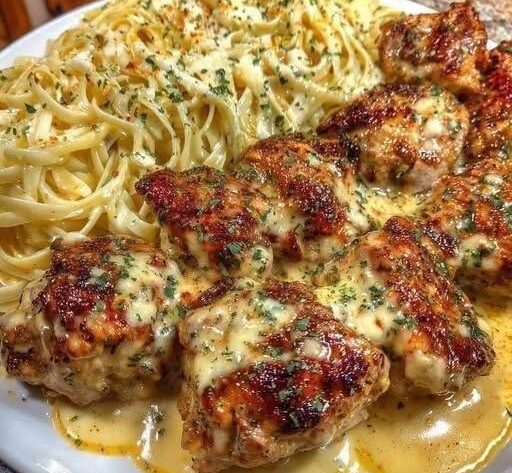
Creamy garlic butter chicken is a comforting, restaurant-style dish made with tender chicken, golden butter, fragrant garlic, and a smooth, creamy sauce. Every bite combines juicy chicken with rich garlic flavor, a hint of herbs, and a velvety sauce that is perfect for spooning over your favorite side dishes.
This recipe is especially appealing because it delivers impressive flavor without requiring complicated cooking techniques or expensive ingredients. The chicken is seasoned and pan-seared until golden brown, then simmered in a creamy garlic butter sauce that brings all the flavors together.
Whether you are preparing a quick family dinner, planning a special weekend meal, or looking for a satisfying low-carbohydrate dinner, this creamy garlic butter chicken is an excellent choice. It is naturally compatible with a keto-style eating plan when prepared with low-carbohydrate ingredients and served without high-carb sides.
The best part is that everything comes together in one pan. You can prepare the chicken, make the sauce, and finish the dish using the same skillet, which means less washing up and more time to enjoy your meal.
This detailed recipe will guide you through every step, from choosing the right chicken cuts to creating a smooth, flavorful sauce without making it greasy or watery. You will also find helpful cooking tips, ingredient substitutions, storage instructions, serving suggestions, and an estimated nutrition table.
Recipe Overview
Preparation time
15 minutes
Cooking time
20–25 minutes
Total time
35–40 minutes
Servings
4
Difficulty level
Easy
Cooking method
One-pan stovetop
Dietary style
Low-carb and keto-friendly
Ingredients for Creamy Garlic Butter Chicken
This recipe makes four servings and uses simple ingredients that are easy to find in most supermarkets. For the best results, prepare and measure everything before you start cooking.
For the chicken
700 g boneless, skinless chicken breast or chicken thighs
Chicken breast creates a leaner dish, while boneless chicken thighs are naturally juicier and more forgiving if cooked for a little longer. Both work well with the creamy sauce.
If you use chicken breasts, cut thicker pieces horizontally into thinner cutlets so they cook evenly. If using thighs, trim away any excess fat or connective tissue.
1 teaspoon salt, or to taste
Salt enhances the natural flavor of the chicken. Start with a moderate amount because the butter, chicken stock, and Parmesan cheese may also contain salt.
1/2 teaspoon freshly ground black pepper
Black pepper adds gentle warmth and balances the richness of the sauce.
1 teaspoon paprika
Paprika gives the chicken a warm color and a mild, savory flavor. You can use sweet paprika or smoked paprika depending on your preference.
1 teaspoon garlic powder
Garlic powder seasons the chicken evenly and complements the fresh garlic used in the sauce.
1 tablespoon olive oil
Olive oil helps the chicken brown evenly and prevents the butter from burning too quickly during the initial searing stage.
For the creamy garlic butter sauce
3 tablespoons unsalted butter
Butter provides the rich flavor that forms the foundation of the sauce. Unsalted butter allows you to control the final seasoning more accurately.
5–6 garlic cloves, finely minced
Fresh garlic is the star ingredient. It gives the sauce its distinctive aroma and savory depth.
If you love a strong garlic flavor, use six cloves. For a milder result, begin with four cloves.
1 cup heavy cream (240 ml)
Heavy cream creates a rich, smooth sauce that coats the chicken beautifully. Choose unsweetened cream with approximately 30–36% milk fat.
For a keto-friendly version, avoid sweetened cream products or milk-based substitutes with added starch.
1/2 cup chicken stock (120 ml)
Chicken stock adds savory flavor and helps balance the richness of the cream. Use a low-sodium stock if possible.
You can use water in a pinch, although the sauce will have a less developed flavor.
1/3 cup finely grated Parmesan cheese, approximately 30–35 g
Parmesan adds a salty, nutty flavor and helps thicken the sauce. Freshly grated cheese generally melts more smoothly than some packaged pre-grated varieties.
1 teaspoon Italian seasoning
A blend of dried oregano, basil, thyme, and other herbs adds an aromatic note that complements the garlic and butter.
If you do not have Italian seasoning, use a small amount of dried oregano and thyme.
1/2 teaspoon onion powder
Onion powder adds subtle savory sweetness without the texture of chopped onion. It is optional but works particularly well in creamy sauces.
1 teaspoon lemon juice, optional
A small amount of lemon juice brightens the sauce and balances its richness. Add it near the end of cooking and taste before adding more.
1 tablespoon chopped fresh parsley
Fresh parsley adds color and a clean, herbal finish. If you do not have fresh parsley, a small pinch of dried parsley can be used, although the flavor will be less vibrant.
Equipment You Will Need
- A large skillet or frying pan
- A sharp knife and cutting board
- Measuring cups and spoons
- A pair of kitchen tongs or a spatula
- A wooden spoon or heat-resistant spatula
- A meat thermometer, if available
A heavy-bottomed skillet is ideal because it distributes heat evenly and helps the chicken develop a golden crust. A pan that is too small can cause the chicken to steam instead of brown, so cook in batches if necessary.
Step-by-Step Instructions
Step 1: Prepare the Chicken
Pat the chicken dry with paper towels. Removing surface moisture helps the chicken brown properly instead of releasing excess liquid into the pan.
If you are using chicken breasts, slice them horizontally into thinner cutlets of roughly even thickness. This helps them cook more quickly and reduces the risk of the outside becoming dry before the center is done.
Place the chicken on a clean plate and season both sides with salt, black pepper, paprika, and garlic powder.
Press the seasoning gently onto the surface so it adheres well.
Allow the seasoned chicken to stand for approximately five minutes while you prepare the remaining ingredients. There is no need to leave it out for an extended period.
Finely mince the garlic, grate the Parmesan cheese, measure the cream and chicken stock, and prepare the herbs.
Having everything ready before you begin makes the cooking process easier because the sauce comes together quickly once the garlic is added.
Step 2: Heat the Pan
Place a large skillet over medium-high heat.
Add the olive oil and allow it to heat until it shimmers lightly. It should be hot enough to sear the chicken but not smoking.
Arrange the chicken in a single layer, leaving a little space between each piece.
If the pan is crowded, cook the chicken in two batches. Crowding traps moisture and prevents the surface from browning properly.
Let the chicken cook without moving it for approximately four to six minutes on the first side, depending on thickness.
The surface should develop a golden-brown crust. This browning adds flavor to the finished dish and creates savory bits in the pan that will later enrich the sauce.
Step 3: Turn and Cook the Chicken
Turn each piece of chicken using tongs.
Cook the second side for another three to five minutes, adjusting the time according to the thickness of the pieces.
The goal at this stage is to develop color and cook the chicken most of the way through. It does not need to be completely finished if you plan to return it to the sauce, but it must reach a safe internal temperature by the end of cooking.
If the chicken browns too quickly, reduce the heat slightly.
Transfer the chicken to a clean plate once it has developed a golden crust. Keep any juices that collect on the plate because they can be added to the sauce later.
Avoid cutting into the chicken repeatedly to check whether it is done, as this can release juices unnecessarily.
Step 4: Melt the Butter
Reduce the heat to medium-low.
Add the butter to the same skillet. As it melts, gently scrape the bottom of the pan with a wooden spoon or spatula to loosen the browned bits left by the chicken.
These browned bits contain concentrated flavor and help make the sauce taste as though it has been slowly developed, even though the recipe takes less than an hour.
Allow the butter to melt completely, but do not let it become dark brown or burn.
If there are many blackened bits from overheated seasoning, remove them before making the sauce because they can create a bitter taste.
Step 5: Cook the Garlic
Add the minced garlic to the melted butter.
Cook for approximately 30–60 seconds, stirring continuously, until the garlic becomes fragrant.
Fresh garlic cooks quickly, so keep the heat moderate. It should soften and release its aroma without turning dark brown.
Burned garlic can make the entire sauce bitter, and the flavor is difficult to correct once that happens.
If the garlic begins browning too quickly, lower the heat immediately and add a small splash of chicken stock to cool the pan slightly.
At this point, the kitchen should smell strongly of warm butter and fresh garlic. This aromatic base is what gives the dish its signature flavor.
Step 6: Add the Chicken Stock and Seasonings
Pour the chicken stock into the skillet gradually while stirring.
The liquid will help loosen any remaining browned bits from the bottom of the pan.
Add the Italian seasoning and onion powder, if using. Stir until the herbs are evenly distributed.
Allow the stock to simmer gently for one to two minutes.
Avoid boiling it aggressively. A gentle simmer allows the flavors to combine without reducing the liquid too quickly.
If you are using a particularly salty stock, wait until the sauce is nearly finished before adding additional salt.
Step 7: Pour in the Heavy Cream
Lower the heat and slowly pour in the heavy cream.
Stir gently to combine it with the garlic butter and chicken stock.
The mixture should gradually become a pale, creamy sauce. Allow it to simmer gently for approximately three to five minutes, stirring occasionally.
Do not let the sauce boil rapidly. High heat can cause dairy sauces to separate, especially if the cream is lower in fat or the pan becomes too hot.
As the cream reduces slightly, the sauce will begin to thicken.
If the sauce appears too thin, give it another minute or two at a gentle simmer before adding the cheese. If it looks too thick, add a small splash of chicken stock.
The ideal consistency is smooth and pourable, thick enough to coat the back of a spoon without becoming paste-like.
Step 8: Add the Parmesan Cheese
Reduce the heat to low.
Add the grated Parmesan cheese gradually, stirring after each addition until it melts into the sauce.
Adding the cheese slowly helps prevent clumps and creates a smoother consistency.
Continue stirring until the sauce looks glossy and creamy.
Taste a small amount and adjust the seasoning if necessary. Add more black pepper or a small pinch of salt if needed.
If you want a brighter flavor, add the optional teaspoon of lemon juice at this stage.
Keep the heat low while incorporating the cheese. Excessive heat can make the proteins in cheese tighten and produce a grainy texture.
Step 9: Return the Chicken to the Pan
Place the seared chicken back into the skillet.
Pour any accumulated juices from the plate into the sauce as well.
Turn each piece gently so that it is coated with the creamy garlic butter mixture.
Allow the chicken to simmer gently for approximately three to five minutes, or until it is fully cooked.
The exact time depends on the thickness of the chicken and how much it cooked during the searing stage.
Use a food thermometer to check the thickest part of each piece. Chicken should reach an internal temperature of 74°C (165°F) for food safety.
If the sauce becomes too thick before the chicken is ready, add one or two tablespoons of chicken stock and stir gently.
Avoid boiling the chicken vigorously because prolonged high heat can make lean chicken breast dry and tough.
Step 10: Finish with Fresh Parsley
Once the chicken is fully cooked, turn off the heat.
Sprinkle the chopped fresh parsley over the sauce and stir gently.
Let the dish rest for approximately two minutes before serving. This brief pause allows the sauce to settle and makes it easier to portion.
The finished chicken should be tender, coated in a smooth garlic butter sauce, and fragrant with herbs.
Taste the sauce one final time and adjust the black pepper, salt, or lemon juice according to your preference.
Serve immediately while the sauce is warm and creamy.
Tips for Perfect Creamy Garlic Butter Chicken
Small adjustments can make a significant difference in the final dish.
Use chicken pieces of similar thickness
Uniform chicken pieces cook more evenly. If one piece is much thicker than another, the thinner portion may dry out while the thicker piece finishes cooking.
For chicken breasts, slicing them into cutlets is one of the easiest ways to improve consistency.
Brown the chicken before making the sauce
Searing adds flavor, color, and texture. Avoid moving the chicken constantly because it needs contact with the hot pan to develop a golden crust.
If the chicken sticks initially, give it a little more time. It often releases more easily once a crust has formed.
Use fresh garlic
Freshly minced garlic generally provides a stronger, more appealing aroma than garlic powder alone.
Garlic powder is useful for seasoning the chicken, while fresh garlic gives the sauce its distinctive flavor.
Keep the sauce at a gentle simmer
A creamy sauce does not need to boil vigorously. Gentle heat helps preserve its smooth consistency and reduces the risk of separation.
This is especially important after adding Parmesan cheese.
Add Parmesan gradually
Finely grated cheese melts more easily. Adding it in small portions while stirring helps create a smooth sauce rather than a stringy or clumpy mixture.
Adjust the thickness carefully
If the sauce is too thin, simmer it gently for another minute or two.
If it is too thick, add a small amount of chicken stock or cream and stir until the consistency improves.
Make adjustments gradually because the sauce will continue to thicken slightly as it cools.
How to Make This Recipe Keto-Friendly
The basic recipe is naturally low in carbohydrates when prepared with unsweetened cream, plain chicken, and a small amount of seasoning.
To keep it suitable for a ketogenic eating plan:
- Use heavy cream without added sugar.
- Choose plain chicken stock without added sugar or starch-based thickeners.
- Use real butter and plain Parmesan cheese.
- Avoid flour, cornstarch, breadcrumbs, and sweetened sauces.
- Check seasoning blends and packaged products for hidden carbohydrates.
- Serve the chicken with low-carbohydrate side dishes if you want to keep the entire meal low in carbs.
There is no need to add flour to thicken the sauce. Heavy cream and Parmesan provide enough body for a rich, creamy consistency.
Estimated Nutrition Facts
The following values are estimates for one serving, assuming the recipe uses 700 g of boneless, skinless chicken breast and all the listed sauce ingredients, divided into four equal portions.
Actual nutrition depends on the cut of chicken, the brands of cream and cheese, the amount of sauce consumed, and any substitutions.
Estimated nutrition per serving
Calories
520–600
kcal
Protein
45–52 g
Per serving
Fat
34–42 g
Per serving
Net carbs
3–5 g
Per serving
Detailed nutrition table
| Nutrient | Approximate amount per serving |
|---|---|
| Calories | 520–600 kcal |
| Protein | 45–52 g |
| Total fat | 34–42 g |
| Saturated fat | 18–23 g |
| Total carbohydrates | 3–5 g |
| Dietary fiber | 0–0.5 g |
| Estimated net carbohydrates | 3–5 g |
These figures are estimates rather than laboratory-tested nutrition values. The fat and calorie content may be lower if you use chicken breast and less cream, or higher if you use fattier chicken thighs and consume all the sauce.
For more accurate tracking, calculate the nutrition from your specific ingredient labels and divide the total by four.
Best Side Dishes to Serve with Creamy Garlic Butter Chicken
This chicken pairs well with a wide range of side dishes. Your choice can make the meal more comforting, lighter, or more suitable for a low-carbohydrate diet.
Garlic butter cauliflower mash
Cauliflower mash is a particularly good keto-friendly alternative to mashed potatoes. Steam cauliflower until tender, then blend it with butter, cream, salt, and black pepper.
Its soft texture complements the creamy chicken sauce and makes the meal feel complete without adding many carbohydrates.
Sautéed green beans
Cook green beans in a little butter with black pepper and minced garlic. Their mild sweetness and slight crunch balance the richness of the sauce.
Steamed broccoli
Steamed broccoli is simple, nutritious, and easy to prepare while the chicken cooks. A squeeze of lemon juice can brighten its flavor.
Zucchini noodles
Lightly sautéed zucchini noodles provide a fresh alternative to pasta. Avoid cooking them for too long because they release moisture and can become soft.
Regular pasta, rice, or mashed potatoes
If you are not following a low-carbohydrate diet, the sauce also works beautifully with pasta, rice, or mashed potatoes. These options absorb the creamy garlic sauce and create a more traditional comfort-food meal.
Remember that these sides increase the total carbohydrate content of the meal.
Common Problems and How to Fix Them
Why is my creamy sauce too thin?
The sauce may not have simmered long enough, or the cream may have a lower fat content.
Allow it to simmer gently for another minute or two before returning the chicken to the pan. Parmesan also helps thicken the sauce as it melts.
Avoid adding flour or cornstarch if you want to keep the dish low-carb.
Why has my sauce separated?
A sauce may separate if it becomes too hot or boils vigorously after the cream and cheese have been added.
Remove the pan from the heat and stir gently. If needed, whisk in a small splash of warm cream or stock to help bring the sauce together.
Next time, reduce the heat before adding the cream and keep the sauce at a gentle simmer.
Why does my garlic taste bitter?
Garlic becomes bitter when it burns.
Cook minced garlic over medium-low heat for only 30–60 seconds, stirring continuously. Add the chicken stock as soon as the garlic becomes fragrant.
If the garlic turns very dark or black, it is better to remove it and start the sauce again rather than allow the bitter flavor to spread throughout the dish.
Why is my chicken dry?
Chicken breast can become dry when overcooked or cut into pieces of uneven thickness.
Use a thermometer to check that the thickest portion reaches 74°C (165°F). Once the chicken is cooked, remove it from the heat rather than continuing to simmer it unnecessarily.
Chicken thighs are a useful alternative if you prefer a juicier result.
Why is the sauce too salty?
Parmesan cheese and chicken stock can both contain considerable salt.
Use low-sodium stock and season the sauce gradually. If it becomes too salty, add a little more unsalted cream or stock, depending on the consistency, and adjust the remaining ingredients accordingly.
Variations to Try
Creamy garlic butter chicken with mushrooms
Slice 150–200 g of mushrooms and sauté them in the skillet after removing the chicken. Cook until their moisture has evaporated and they begin to brown, then continue with the butter and garlic.
Mushrooms add savory flavor and make the sauce more substantial. They also work well in a low-carbohydrate meal.
Spicy creamy garlic butter chicken
Add 1/4 teaspoon of chili flakes or a small pinch of cayenne pepper to the garlic butter sauce.
Adjust the amount according to your preferred heat level. A little spice contrasts nicely with the richness of the cream.
Lemon garlic butter chicken
Add one to two teaspoons of fresh lemon juice at the end of cooking.
The citrus flavor brightens the sauce and makes the dish feel lighter. Add the juice gradually so that the cream remains smooth.
Creamy garlic butter chicken with spinach
Stir in one or two handfuls of fresh spinach after adding the cream. Allow it to wilt before incorporating the Parmesan.
Spinach adds color, flavor, and additional nutrients without substantially increasing the carbohydrate content of each serving.
Creamy garlic butter chicken thighs
Replace the chicken breast with boneless, skinless chicken thighs.
Thighs generally contain more fat and remain juicy during cooking. They may require a little additional cooking time, depending on their size, so check their internal temperature before serving.
How to Store and Reheat Leftovers
Creamy garlic butter chicken is best served freshly cooked, but leftovers can be stored safely for later meals.
Refrigeration
Allow the chicken to stop steaming heavily, then transfer it to a shallow, airtight container and refrigerate within two hours of cooking.
Store it at or below 4°C and use it within three to four days.
Keep the chicken covered with sauce to help prevent the meat from drying out.
Reheating
Place the chicken and sauce in a skillet over low heat.
Add one or two tablespoons of water, chicken stock, or cream if the sauce has thickened during storage. Stir gently and heat until the chicken reaches 74°C (165°F).
Avoid reheating the sauce over high heat because it may separate.
You can also reheat individual portions in a microwave-safe container, using short intervals and stirring the sauce between intervals.
Freezing
You can freeze the cooked chicken, although cream-based sauces may change texture after thawing.
Place cooled portions in freezer-safe containers and freeze promptly. For the best quality, use within approximately two months.
Thaw overnight in the refrigerator and reheat gently. Stir the sauce well, adding a little cream or stock if necessary.
Frequently Asked Questions
Can I make creamy garlic butter chicken without Parmesan?
Yes. Parmesan adds flavor and helps thicken the sauce, but you can omit it. Allow the cream to reduce gently until the sauce reaches your preferred consistency, then adjust the seasoning.
Can I use milk instead of heavy cream?
Milk can be used, but the sauce will be thinner and less rich. It may also be more likely to separate when heated. Heavy cream is the better choice for the original recipe and for keeping the sauce thick without flour.
Can I use garlic powder instead of fresh garlic?
You can, but the flavor will be different. Fresh garlic provides the characteristic aroma of the sauce. If necessary, use approximately 1/2 teaspoon of garlic powder in the sauce, adding it with the other seasonings rather than frying it as you would fresh garlic.
Is creamy garlic butter chicken keto-friendly?
Yes, this version can fit a keto diet because it uses chicken, butter, heavy cream, and Parmesan without flour or added sugar. The estimated net carbohydrates are approximately 3–5 g per serving, depending on the ingredients.
Can I prepare the sauce ahead of time?
The sauce is best prepared fresh in the same pan as the chicken because the browned bits add flavor. You can, however, measure and prepare all the ingredients in advance to make cooking quicker.
How do I make the sauce extra creamy?
Use heavy cream, finely grated Parmesan, and moderate heat. Let the sauce reduce gently before adding the chicken back to the pan. Avoid adding too much stock or water at once.