 admin1
 When it comes to classic European holiday desserts, few recipes are as comforting and unforgettable as homemade German Lebkuchen cookies. These soft and aromatic spice cookies have been a treasured part of Christmas baking traditions for centuries. Known for their warm honey flavor, delicate sweetness, and rich blend of seasonal spices, Lebkuchen cookies are often described as Germany’s version of gingerbread cookies — but with a softer texture and deeper flavor.
The magic of traditional Lebkuchen lies in the perfect balance of ingredients. Honey, brown sugar, flour, eggs, almonds or hazelnuts, citrus zest, and warming spices combine to create a cookie that feels festive, nostalgic, and bakery-quality all at once. Every bite delivers notes of cinnamon, ginger, cloves, and nutmeg blended with sweet honey and crunchy nuts, making these cookies one of the most popular Christmas desserts around the world.
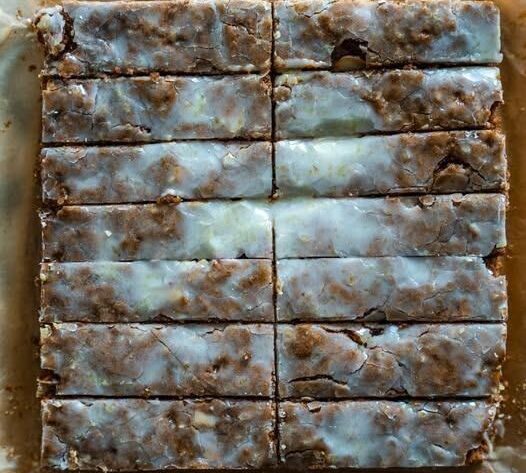
Unlike crispy ginger biscuits, authentic German Lebkuchen cookies are soft and chewy in the center with lightly crisp edges. Many traditional recipes also include a chocolate coating or shiny sugar glaze, which adds both flavor and a beautiful festive appearance. These cookies are commonly enjoyed during the winter holidays alongside coffee, tea, hot chocolate, or mulled wine.
One of the reasons why Lebkuchen remains so popular is because the cookies actually improve with time. After baking, the spices continue to develop and deepen over the next one or two days, creating a richer and more aromatic flavor. This makes Lebkuchen one of the best make-ahead Christmas cookie recipes for holiday gatherings, dessert platters, and edible gift boxes.
Historically, Lebkuchen originated in Germany many centuries ago and became especially famous in the city of Nuremberg, where skilled bakers perfected the recipe using local honey, nuts, and imported spices. Since spices were once rare and valuable, these cookies were considered a luxurious holiday delicacy. Over time, the recipe spread throughout Europe and eventually became a worldwide favorite holiday dessert. (thegingeredwhisk.com)
Today, homemade Lebkuchen cookies continue to hold a special place in holiday baking culture because of their warm flavor and comforting aroma. The scent alone — filled with cinnamon, honey, vanilla, and citrus — instantly creates a cozy festive atmosphere in the kitchen.
The foundation of a great Lebkuchen recipe begins with honey. Honey gives the cookies their signature sweetness and helps create the moist texture these cookies are known for. Brown sugar is often combined with honey to provide a deeper caramel-like flavor. Together, these ingredients create a rich dough that stays soft for days.
Another important feature of traditional Lebkuchen is the spice combination. Cinnamon is usually the strongest flavor, but ginger, nutmeg, and cloves provide warmth and complexity. Some bakers also add cardamom, allspice, or anise for a more authentic European bakery-style flavor. These spices are what make Lebkuchen cookies taste like Christmas.
The addition of lemon zest or orange zest brightens the dough and balances the sweetness. Citrus peel is commonly used in authentic German baking because it adds freshness and aroma without overpowering the spices. Fresh zest works beautifully in homemade versions because it gives the cookies a vibrant bakery-quality fragrance.
Crushed almonds or hazelnuts are another classic ingredient found in many traditional Lebkuchen recipes. Nuts create texture and richness while helping the cookies remain tender and soft. Hazelnuts provide a slightly deeper and earthier flavor, while almonds create a smoother and milder taste. Both options work wonderfully in this recipe.
One thing that makes Lebkuchen unique compared to regular cookies is the resting process. After mixing the dough, it is important to allow it to rest for at least 30 to 60 minutes before shaping and baking. During this time, the flour absorbs moisture and the spices blend together more fully. Some traditional bakers even rest the dough overnight to create a stronger flavor profile. (bbcgoodfood.com)
The dough itself is usually soft and slightly sticky, which is completely normal. Unlike stiff cookie doughs, Lebkuchen dough is meant to remain moist so the final cookies stay chewy after baking. Lightly flouring your hands can make shaping easier without drying out the dough.
Baking time also plays an important role in achieving the perfect texture. Overbaking can make the cookies hard and dry, while proper baking keeps the centers soft and tender. The cookies should be lightly golden around the edges but still soft in the middle when removed from the oven.
After cooling, many bakers finish the cookies with either a sugar glaze or melted chocolate coating. A simple powdered sugar glaze creates a classic shiny finish and adds a touch of sweetness. Chocolate-coated Lebkuchen, however, offers a richer dessert experience and pairs beautifully with the warm spices inside the cookies.
Another reason these cookies are so beloved during the holiday season is their long shelf life. Stored properly in an airtight container, Lebkuchen cookies remain fresh for many days. In fact, they often become softer and more flavorful after resting. Some bakers place orange peel slices inside the container to maintain moisture and enhance the citrus aroma. (allrecipes.com)
These soft German spice cookies are also perfect for holiday gifting. Their festive appearance, warm aroma, and rich flavor make them ideal for homemade cookie boxes and edible presents during Christmas. They are easy to transport and maintain their quality far better than many delicate desserts.
Many people also love Lebkuchen because the recipe is simple enough for beginner bakers while still producing professional-quality results. The ingredients are easy to find, and the process mainly involves mixing, resting, shaping, and baking. Even first-time bakers can create beautiful holiday cookies with this classic recipe.
Modern variations of Lebkuchen continue to evolve while maintaining the traditional flavor profile. Some recipes add cocoa powder for a chocolate-spice version, while others include dried fruit, marzipan, or wafer bases known as Oblaten. However, the essential ingredients — honey, spices, nuts, and citrus — remain the heart of authentic Lebkuchen baking.
These cookies pair beautifully with winter beverages. A warm cup of coffee enhances the spice flavors, while hot chocolate complements the sweetness and chocolate coating. Mulled wine and spiced tea are also popular serving choices during Christmas gatherings and holiday parties.
The popularity of homemade gingerbread cookies and festive spice desserts continues to grow every year, especially during the colder months. Many home bakers search for easy Christmas cookie recipes that feel traditional yet comforting, and Lebkuchen perfectly matches that demand.
One of the best things about making homemade Lebkuchen is the experience itself. Mixing fragrant spices, warming honey, and baking soft cookies fills the kitchen with an unforgettable holiday scent. The process feels nostalgic, comforting, and festive from start to finish.
If you want to create bakery-style holiday cookies at home, traditional German Lebkuchen is one of the best recipes to try. The cookies are soft, warmly spiced, easy to prepare, and perfect for sharing with family and friends. Whether served during Christmas dinner, packed into gift boxes, or enjoyed quietly with tea on a cold evening, these cookies always bring warmth and joy.
Because the flavor becomes richer after resting, many bakers consider Lebkuchen one of the most rewarding holiday desserts to prepare ahead of time. Their combination of honey sweetness, warm spices, crunchy nuts, and optional chocolate coating creates a cookie that feels both rustic and luxurious at the same time.
From traditional German Christmas markets to modern family kitchens, Lebkuchen cookies continue to symbolize comfort, celebration, and seasonal baking traditions. Their timeless flavor and beautiful aroma have helped them remain one of the world’s most loved holiday cookies.
Source references used for inspiration and historical baking research include traditional German baking resources, European holiday dessert references, and classic Lebkuchen recipes from BBC Good Food, The Gingered Whisk, and AllRecipes. (thegingeredwhisk.com)
Part 2: Easy Homemade Lebkuchen Cookie Recipe
Preparation Details
- Preparation Time: 20 minutes
- Resting Time: 30–60 minutes
- Baking Time: 12–15 minutes
- Total Time: Approximately 1 hour 20 minutes
Servings
Makes about 20–24 cookies
Ingredients
Main Ingredients
- 2 cups all-purpose flour
- 1 cup pure honey
- ½ cup brown sugar
- 2 eggs
- 1 teaspoon baking powder
- 1 teaspoon ground cinnamon
- ¼ teaspoon ground cloves
- ¼ teaspoon ground nutmeg
- ½ teaspoon ground ginger
- 1 teaspoon lemon zest or orange zest
- 1 teaspoon vanilla essence or pure vanilla extract
- ½ cup crushed almonds or finely chopped hazelnuts
Optional Finishing
- Melted dark chocolate for coating
- Powdered sugar glaze for drizzling
Step-by-Step Instructions
Step 1: Warm the Honey Mixture
Place the honey and brown sugar in a saucepan over low heat. Stir gently until fully melted and smooth. Avoid boiling the mixture. Remove from heat and let it cool slightly.
Step 2: Add Eggs and Vanilla
Whisk the eggs into the warm honey mixture. Add vanilla essence and stir until well combined and smooth.
Step 3: Prepare the Dry Mixture
In another large bowl, combine the flour, baking powder, cinnamon, ginger, nutmeg, and cloves. Mix thoroughly to evenly distribute the spices.
Step 4: Combine Everything
Gradually add the dry ingredients into the honey mixture. Stir until a soft dough forms.
Add the citrus zest and crushed almonds or hazelnuts. Mix until evenly incorporated.
Step 5: Rest the Dough
Cover the bowl and allow the dough to rest for 30–60 minutes. The dough will remain slightly sticky, which helps create soft cookies.
Step 6: Shape the Cookies
Preheat oven to 180°C (350°F). Line a baking tray with parchment paper.
Shape small portions of dough into rounds or flattened cookie shapes and place them on the tray with small gaps between each cookie.
Step 7: Bake
Bake for 12–15 minutes or until the edges become lightly golden while the centers remain soft.
Allow cookies to cool completely on a wire rack.
Step 8: Decorate
Once cooled, drizzle with powdered sugar glaze or dip in melted chocolate for a classic holiday finish.
Helpful Tips for Best Results
- Fresh spices create stronger aroma and flavor.
- Do not overbake if you prefer chewy cookies.
- Let the cookies rest overnight for deeper flavor.
- Store in an airtight container to maintain softness.
- Add a small piece of orange peel to the storage container for extra moisture and fragrance.
Serving Ideas
Serve these festive spice cookies with:
- Coffee
- Hot chocolate
- Chai tea
- Mulled apple cider
- Warm milk during winter evenings