 admin1
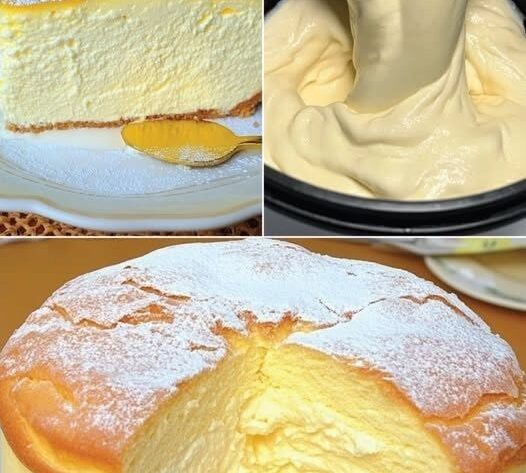
Cloud Cake is a beautifully light and airy dessert that truly lives up to its name. With its delicate texture, creamy flavor, and melt-in-your-mouth consistency, this flourless cake is perfect for anyone who enjoys elegant desserts that aren’t overly sweet. Made with whipped egg whites, cream cheese, and a handful of simple pantry ingredients, this cake rises into a soft, pillowy masterpiece without using any flour.
Unlike traditional sponge cakes or butter cakes, Cloud Cake relies on a carefully prepared meringue to create its signature height and cloud-like texture. The result is a dessert that’s incredibly soft, moist, and silky while remaining surprisingly light. Because it contains no flour, it’s naturally gluten-free when prepared with certified gluten-free ingredients.
Whether you’re serving it for birthdays, afternoon tea, holidays, family gatherings, or simply enjoying a slice after dinner, this elegant dessert is sure to impress. It looks bakery-worthy yet requires only basic baking skills and everyday ingredients.
Why You’ll Love This Cloud Cake
There are plenty of reasons why this recipe has become a favorite among home bakers.
- Wonderfully soft and fluffy texture.
- Naturally flourless and gluten-free.
- Light sweetness that isn’t overpowering.
- Made with affordable everyday ingredients.
- Beautiful presentation with minimal decoration.
- Perfect for beginners and experienced bakers alike.
- Delicious served plain or with fruit and cream.
- Excellent make-ahead dessert.
- Stays moist for several days.
- Easy to customize with different flavors and toppings.
Ingredients
Prepare the following ingredients before you begin.
- 6 large eggs, separated
- ¾ cup (150 grams) granulated sugar
- 8 ounces (225 grams) full-fat cream cheese, softened
- ¼ cup (60 ml) whole milk
- ¼ cup (56 grams) unsalted butter
- 1 teaspoon vanilla extract
- 1 teaspoon fresh lemon juice
- ¼ teaspoon cream of tartar
- Pinch of salt
Optional Garnishes
- Powdered sugar
- Fresh strawberries
- Blueberries
- Raspberries
- Blackberries
- Whipped cream
- Lemon curd
- Berry sauce
Understanding the Ingredients
Every ingredient contributes to the cake’s unique texture and flavor.
Eggs
Eggs are the most important ingredient. The yolks provide richness, while whipped egg whites create volume, lift, and the signature fluffy texture.
Cream Cheese
Cream cheese gives the cake its creamy body and subtle tangy flavor that perfectly balances the sweetness.
Butter
Butter adds richness without making the cake heavy.
Milk
Whole milk creates a smooth, silky batter and helps soften the cream cheese mixture.
Sugar
Sugar sweetens the cake while stabilizing the whipped egg whites, allowing the meringue to maintain its volume.
Vanilla Extract
Vanilla adds warmth and enhances the overall flavor.
Lemon Juice
Fresh lemon juice brightens the cake while balancing the richness.
Cream of Tartar
This ingredient stabilizes the egg whites, helping them whip into a glossy, stable meringue.
Kitchen Equipment
Before starting, gather the following equipment.
- 8-inch springform pan
- Parchment paper
- Aluminum foil
- Large roasting pan
- Two mixing bowls
- Electric mixer
- Whisk
- Rubber spatula
- Fine mesh sieve
- Cooling rack
How to Prepare the Pan
- Preheat your oven to 300°F (150°C).
- Line the bottom of an 8-inch springform pan with parchment paper.
- Lightly grease the sides.
- Wrap the outside of the pan with two or three layers of aluminum foil.
- Set aside a large roasting pan for the water bath.
Proper pan preparation helps prevent leaks and ensures even baking.
Step 1: Make the Cream Cheese Batter
Fill a saucepan with a few inches of water and bring it to a gentle simmer.
Place the cream cheese, butter, and milk into a heatproof bowl and set it over the simmering water.
Slowly stir until everything melts into a completely smooth mixture.
Remove the bowl from the heat and allow it to cool for about five minutes.
Add the vanilla extract.
Whisk in the egg yolks one at a time until fully incorporated.
Add the lemon juice and salt.
Continue whisking until the batter becomes silky smooth without any lumps.
Set aside.
Step 2: Whip the Egg Whites
Place the egg whites into a perfectly clean bowl.
Begin mixing at medium speed until foamy.
Add the cream of tartar.
Gradually sprinkle in the sugar, one spoonful at a time.
Increase the mixer speed and continue beating until medium-stiff glossy peaks form.
The peaks should stand up while the tips gently curl over.
Avoid whipping until stiff, dry peaks develop because overbeaten egg whites are difficult to fold into the batter.
Step 3: Fold Everything Together
Add one-third of the whipped egg whites into the cream cheese mixture.
Whisk gently until combined.
Switch to a rubber spatula.
Add another third of the meringue.
Using slow upward folding motions, carefully combine the mixture without deflating the air.
Add the remaining meringue.
Continue folding until the batter is evenly mixed and no white streaks remain.
The finished batter should be thick, airy, and full of tiny bubbles.
Step 4: Fill the Cake Pan
Pour the batter into the prepared springform pan.
Use a spatula to level the surface.
Tap the pan once or twice on the counter to remove large air bubbles.
Avoid excessive tapping because too much air loss can reduce the cake’s height.
Step 5: Prepare the Water Bath
Place the filled springform pan inside the roasting pan.
Pour hot water into the roasting pan until it reaches halfway up the outside of the cake pan.
The water bath creates gentle steam that helps the cake bake evenly while reducing the chance of cracking.
Step 6: Bake the Cake
Bake at 300°F (150°C) for 25 minutes.
Without opening the oven, reduce the temperature to 275°F (135°C).
Continue baking for another 55 to 65 minutes.
The finished cake should have:
- Light golden edges
- Slightly browned top
- Soft center with a gentle wobble
Avoid opening the oven door during baking because sudden temperature changes may cause the cake to collapse.
Step 7: Cool the Cake Properly
Turn off the oven.
Open the oven door slightly.
Allow the cake to remain inside for about 20 minutes.
Remove it from the oven.
If needed, gently run a thin knife around the edge.
Let the cake cool completely inside the pan.
Refrigerate for at least 4 hours, although overnight chilling produces the best texture.
The cake becomes creamier and easier to slice after chilling.
Serving Ideas
Cloud Cake is delicious on its own, but simple toppings make it even more impressive.
Try serving it with:
- Powdered sugar
- Fresh strawberries
- Mixed berries
- Whipped cream
- Raspberry sauce
- Blueberry compote
- Lemon curd
- Passion fruit pulp
- Fresh mango
- Peach slices
- Honey drizzle
- Mint leaves
Its mild flavor pairs beautifully with coffee, tea, cappuccino, or espresso.
Flavor Variations
One of the best features of this recipe is how easy it is to customize.
Try adding:
- Orange zest
- Lemon zest
- Lime zest
- Almond extract
- Coconut extract
- Matcha powder
- Cocoa powder
- White chocolate
- Cinnamon
- Nutmeg
- Toasted coconut
- Berry puree swirls
Each variation creates a unique dessert while maintaining the signature fluffy texture.
Expert Baking Tips
For the best Cloud Cake every time, remember these helpful tips.
- Use room-temperature cream cheese.
- Separate eggs while cold.
- Bring ingredients to room temperature before mixing.
- Keep the egg white bowl completely grease-free.
- Add sugar gradually while whipping.
- Never rush the folding process.
- Fold gently instead of stirring.
- Always bake using a water bath.
- Avoid opening the oven.
- Cool the cake slowly.
- Chill before slicing.
- Clean the knife between slices for neat presentation.
Small details make a big difference with delicate cakes.
Common Mistakes to Avoid
Many Cloud Cakes fail because of a few common errors.
Avoid these mistakes:
- Overmixing after adding the meringue
- Overbeating egg whites
- Using cold cream cheese
- Skipping the water bath
- Opening the oven frequently
- Cooling too quickly
- Slicing before chilling
- Using the wrong pan size
- Allowing water into the springform pan
- Measuring ingredients inaccurately
Following the recipe carefully helps produce a tall, fluffy cake every time.
Storage Instructions
Store leftover cake covered in the refrigerator for up to 5 days.
The texture often becomes even smoother after the first day.
Do not leave the cake at room temperature for more than two hours.
For longer storage:
- Wrap individual slices tightly in plastic wrap.
- Place them inside an airtight container.
- Freeze for up to 2 months.
- Thaw overnight in the refrigerator before serving.
Make-Ahead Tips
Cloud Cake is an excellent make-ahead dessert.
Bake it the day before serving.
Allow it to chill overnight.
The extra resting time improves both flavor and texture, making the cake even creamier while maintaining its signature lightness.
Approximate Nutrition (Per Serving)
Based on 8 servings.
- Calories: 230
- Protein: 7 g
- Carbohydrates: 16 g
- Fat: 16 g
- Saturated Fat: 9 g
- Cholesterol: 180 mg
- Sugar: 15 g
- Sodium: 170 mg
- Calcium: 80 mg
Nutrition values are estimates and may vary depending on the brands of ingredients used.
Frequently Asked Questions
Can I make Cloud Cake without cream of tartar?
Yes. Replace it with an equal amount of fresh lemon juice or white vinegar to help stabilize the egg whites.
Why did my cake sink?
A slight amount of shrinking is normal. Significant sinking usually happens because the batter was overmixed, the oven door was opened too early, or the cake cooled too quickly.
Can I freeze this cake?
Yes. Wrap it well and freeze for up to two months. Thaw overnight in the refrigerator before serving.
Can I use low-fat cream cheese?
Full-fat cream cheese produces the best flavor and texture. Reduced-fat versions may create a less creamy result.
How do I know when it’s fully baked?
The edges should be lightly golden, the surface should be set, and the center should jiggle slightly when gently shaken.
Can I bake without a water bath?
A water bath is highly recommended because it provides gentle, even heat that helps create the cake’s signature soft texture while minimizing cracks.
Can I add fresh fruit to the batter?
It’s better to add fruit after baking. Fresh fruit releases moisture during baking, which may affect the cake’s delicate structure.