 admin1
Introduction
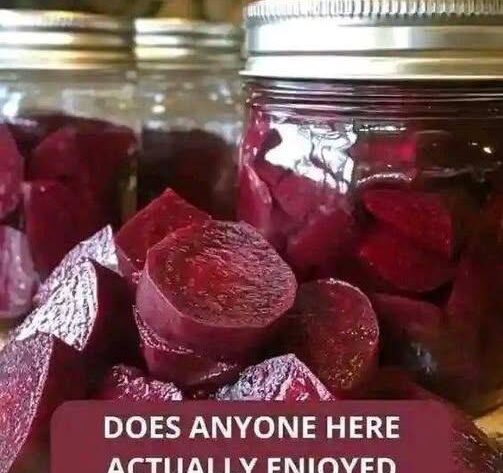
Pickled beetroot is a simple, colorful, sweet-and-tangy preserve made by cooking fresh beetroot and soaking it in a flavorful vinegar brine. The result is tender beetroot with a bright, slightly sour flavor that works beautifully as a side dish, salad topping, sandwich filling, or accompaniment to grilled meats and roasted vegetables.
This recipe is especially useful when you have fresh beetroot available and want a way to preserve it while adding a completely different flavor. The natural sweetness of beetroot pairs wonderfully with vinegar, while a little sugar balances the sharpness. Aromatic spices such as mustard seeds, black peppercorns, bay leaves, and cloves can add extra depth.
Unlike heavily spiced pickles, this version keeps the beetroot as the star. The finished pickled beetroot is vibrant, pleasantly acidic, slightly sweet, and tender without becoming mushy.
It can be prepared ahead of time and stored in the refrigerator, making it an excellent addition to meal-prep lunches, salads, sandwiches, burgers, cheese boards, and family dinners.
Why We Love This Recipe
There are many reasons to keep homemade pickled beetroot in the refrigerator.
- Easy to prepare: The recipe requires only a handful of basic ingredients.
- Beautiful color: Beetroot naturally creates a gorgeous deep red or purple color.
- Sweet and tangy: The vinegar balances the beetroot’s natural sweetness.
- Versatile: Use it in salads, sandwiches, wraps, burgers, or as a side.
- Make-ahead friendly: The flavor improves as the beetroot sits in the brine.
- Customizable: You can adjust the sweetness, acidity, and spices to suit your taste.
- Great for entertaining: Its vibrant color makes it an attractive addition to a platter.
Ingredients
For the Beetroot
- 1 kg fresh beetroot
- Water, as needed for cooking
- 1 teaspoon salt for the cooking water
For the Pickling Brine
- 2 cups white vinegar
- 1 cup water
- ½ cup granulated sugar
- 1 teaspoon salt
- 1 teaspoon mustard seeds
- ½ teaspoon black peppercorns
- 2 bay leaves
- 2–3 whole cloves
- ½ teaspoon coriander seeds, optional
Optional Additions
For a more complex flavor, you can add:
- 1 small cinnamon stick
- ½ teaspoon fennel seeds
- A few slices of fresh ginger
- 1 small sliced red chili
- 1 small sliced onion
- 1 teaspoon orange zest
- A few sprigs of fresh thyme
Choosing the Beetroot
Choose beetroot that feels firm and heavy for its size.
Avoid beetroots that are soft, shriveled, cracked, or have large damaged areas.
Smaller and medium-sized beetroot are often easier to cook evenly, while very large beetroot can take considerably longer to become tender.
If the beetroot still has its leaves attached, remove the leaves before cooking. Leave a small amount of the stem attached if possible because this can help reduce excessive color bleeding during cooking.
Wash the beetroot thoroughly to remove soil.
How to Make Pickled Beetroot
Step 1: Wash the Beetroot
Rinse the beetroot thoroughly under cool running water.
Use a vegetable brush to remove any dirt from the skin.
Do not peel the beetroot yet.
Keeping the skin on while cooking helps protect the beetroot and can help retain its natural flavor and color.
Step 2: Cook the Beetroot
Place the whole beetroot in a large saucepan.
Cover completely with water and add approximately 1 teaspoon of salt.
Bring the water to a boil.
Reduce the heat and simmer until the beetroot is tender.
Depending on the size of the beetroot, this can take approximately 30–60 minutes.
Test it by inserting a thin knife or skewer into the center. It should slide in relatively easily.
Do not overcook the beetroot. It should be tender but still firm enough to hold its shape.
Step 3: Cool the Beetroot
Drain the cooked beetroot and allow it to cool enough to handle.
When the beetroot is cool enough, gently rub the skins away using your fingers or a paper towel.
The skin should come off fairly easily.
Trim the tops and roots.
Be careful because beetroot juice can stain countertops, clothing, cutting boards, and kitchen towels.
Step 4: Slice the Beetroot
Cut the peeled beetroot into slices, wedges, or bite-sized cubes.
Thin slices are excellent for sandwiches and salads.
Small cubes are convenient for side dishes.
Wedges create a more rustic presentation.
Try to keep the pieces reasonably similar in size so they absorb the brine evenly.
Step 5: Prepare the Jars
Wash your jars thoroughly with hot soapy water and rinse well.
For refrigerated pickles, clean containers with tight-fitting lids are essential.
If you intend to make a shelf-stable canned product rather than a refrigerator pickle, use a tested canning recipe and appropriate canning procedures rather than relying on this refrigerator method.
Step 6: Make the Pickling Brine
Add the vinegar, water, sugar, salt, mustard seeds, black peppercorns, bay leaves, cloves, and optional coriander seeds to a saucepan.
Bring the mixture to a gentle simmer over medium heat.
Stir until the sugar and salt dissolve completely.
Once the brine is hot and fragrant, remove it from the heat.
Taste carefully after it has cooled slightly.
You can adjust the balance according to your preference. More sugar produces a sweeter pickle, while a little additional vinegar creates a sharper flavor.
Step 7: Pack the Beetroot
Place the sliced beetroot into clean jars.
Do not pack them so tightly that the brine cannot circulate around the pieces.
Pour the warm pickling liquid over the beetroot.
Make sure the beetroot is well covered by the liquid.
Leave a little space at the top of the jar rather than filling it completely.
Step 8: Cool and Refrigerate
Allow the jars to cool to room temperature.
Close the lids securely and place the jars in the refrigerator.
Although the beetroot can be eaten after several hours, the flavor will improve significantly after it has had time to absorb the vinegar and spices.
For the best flavor, allow it to sit for at least 24 hours before serving.
After two or three days, the flavor will be even more developed.
How to Serve Pickled Beetroot
Pickled beetroot is extremely versatile.
With Salads
Add slices or cubes to green salads with lettuce, cucumber, tomatoes, feta, and toasted nuts.
With Sandwiches
Add thin slices to sandwiches and wraps for acidity, sweetness, and color.
It works especially well with cheese, roasted vegetables, chicken, turkey, and hummus.
With Burgers
A few slices of pickled beetroot can add a wonderful sweet-and-sour contrast to a rich burger.
With Cheese
Serve pickled beetroot with cheddar, goat cheese, feta, or cream cheese.
The acidity helps cut through rich cheeses.
With Roasted Meat
Serve it alongside roasted chicken, beef, lamb, or pork.
The sharp vinegar flavor provides a refreshing contrast to rich meat.
In Grain Bowls
Add pickled beetroot to rice, quinoa, couscous, or other grain bowls along with roasted vegetables and a creamy dressing.
As a Side Dish
Simply drain a few slices and serve them as a colorful side with lunch or dinner.
Tips for the Best Pickled Beetroot
Don’t overcook the beetroot
The beetroot should be tender but not falling apart.
Overcooked beetroot can become mushy after pickling.
Use good-quality vinegar
White vinegar produces a clean, sharp flavor.
Apple cider vinegar creates a softer, fruitier flavor.
You can experiment with different vinegars as long as you maintain an appropriate acidic environment for the preservation method you’re using.
Balance the sugar
Beetroot is naturally sweet, so you don’t need excessive sugar.
Start with the amount in the recipe and adjust future batches according to your taste.
Let the beetroot rest
Freshly pickled beetroot tastes good, but the flavor becomes much better after at least 24 hours.
Keep the beetroot submerged
Any beetroot exposed above the brine can dry out and spoil more quickly.
Common Mistakes to Avoid
1. Overcooking the beetroot
Boiling the beetroot for too long can make it soft and mushy.
Solution: Check it regularly and remove it as soon as it becomes fork-tender.
2. Cutting the beetroot before cooking
You can do this, but it may result in more color and flavor being lost into the cooking water.
Solution: Cook whole beetroot when possible and slice it afterward.
3. Using too little vinegar
The vinegar provides the acidity that defines the pickle.
Solution: Follow a tested ratio when preparing pickled vegetables, especially if you plan to store them rather than eat them immediately.
4. Adding the beetroot to dirty jars
Clean containers are essential.
Solution: Wash jars and lids thoroughly before use.
5. Not covering the beetroot
Beetroot pieces should be well covered by the brine.
Solution: Add enough brine to completely surround the pieces.
6. Eating it immediately
You can eat it immediately, but the flavor won’t be as developed.
Solution: Refrigerate for at least 24 hours before serving.
7. Confusing refrigerator pickles with shelf-stable canned pickles
A refrigerator pickle is not automatically safe for pantry storage.
Solution: Keep this recipe refrigerated. For shelf-stable preservation, follow an appropriate tested water-bath canning recipe.
Flavor Variations
Sweet Pickled Beetroot
Increase the sugar slightly for a sweeter, traditional-style pickle.
Spicy Pickled Beetroot
Add sliced fresh chili or dried red pepper flakes to the brine.
Garlic Pickled Beetroot
Add a small amount of sliced garlic for a stronger savory flavor.
Ginger Pickled Beetroot
Add several thin slices of fresh ginger.
Ginger pairs beautifully with the natural sweetness of beetroot.
Orange Pickled Beetroot
Add a small amount of orange zest to the brine for a bright citrus note.
Cinnamon-Spiced Beetroot
Add a small cinnamon stick and a few cloves.
This variation is especially suitable for autumn and holiday meals.
Pickled Beetroot and Onion
Add thinly sliced red onion to the jar along with the beetroot.
The onion becomes beautifully colored and develops a sweet, tangy flavor.
Make-Ahead Instructions
Pickled beetroot is one of those recipes that benefits from being made ahead.
Prepare the beetroot and brine, place everything in clean containers, and refrigerate.
The flavor develops gradually as the vinegar and spices penetrate the beetroot.
For the best result, prepare it at least one day before serving.
It is particularly convenient for parties because you can prepare it several days ahead and simply drain and serve when needed.
Storage
Keep homemade refrigerator pickled beetroot refrigerated.
Always use clean utensils when removing beetroot from the container.
Keep the beetroot covered with brine as much as possible.
For the safest storage, follow a tested recipe and storage guidance appropriate to the specific preservation method you are using.
If you notice mold, an unusual smell, bubbling that isn’t expected, a slimy texture, or other signs of spoilage, discard the product rather than tasting it.
Frequently Asked Questions
Does pickled beetroot need to be refrigerated?
Yes, this recipe is designed as a refrigerator pickle. Keep it refrigerated.
How long does pickled beetroot last?
The exact storage life depends on the recipe, acidity, preparation method, container hygiene, and refrigeration conditions. For best quality and safety, follow a tested refrigerator-pickle recipe and use it within its recommended storage period.
Can I use canned beetroot?
Yes. If using plain canned beetroot, drain it well and place it directly into the prepared pickling brine. Because canned beetroot is already cooked, you do not need to cook it again.
Can I use apple cider vinegar?
Yes. Apple cider vinegar creates a slightly fruitier and softer flavor than white vinegar.
Can I reduce the sugar?
Yes. Sugar primarily affects flavor rather than being the ingredient responsible for the vinegar’s acidity. You can reduce it according to your taste.
Why did my beetroot lose its color?
Some color loss can happen during cooking and pickling.
Cooking the beetroot whole and avoiding excessive boiling can help retain more color.
Can I eat the beetroot immediately?
Yes, but it will taste much better after resting in the brine. Allowing it to sit for approximately 24 hours gives the flavors time to develop.
Can I add onions?
Yes. Thinly sliced red onions are particularly delicious with pickled beetroot.
Can I freeze pickled beetroot?
Freezing is generally not recommended because the texture can become soft and watery after thawing.
Can I use golden beetroot?
Absolutely. Golden beetroot creates a beautiful golden-yellow pickle with a slightly milder appearance.
Is pickled beetroot sweet?
It can be. This recipe has a balanced sweet-and-sour flavor. You can increase or decrease the sugar according to your preference.
Nutrition Information
The following nutrition values are approximate and will vary depending on the exact amount of sugar absorbed, serving size, and ingredients used.
| Nutrient | Approximate Amount Per Serving |
|---|---|
| Calories | 65 kcal |
| Protein | 1 g |
| Carbohydrates | 15 g |
| Fat | 0 g |
| Saturated Fat | 0 g |
| Fiber | 2 g |
| Sugar | 12 g |
| Sodium | 300 mg |
Recipe Information
| Category | Details |
|---|---|
| Cuisine | American / European-inspired |
| Course | Side Dish, Salad, Pickle |
| Preparation Time | 15 minutes |
| Cooking Time | 40–60 minutes |
| Pickling Time | Minimum 24 hours recommended |
| Total Active Time | Approximately 1 hour |
| Difficulty | Easy |
| Servings | Approximately 8 |
| Calories | Approximately 65 per serving |
Final Thoughts
Homemade pickled beetroot is a fantastic way to transform simple beetroot into something bright, tangy, colorful, and incredibly versatile. The natural sweetness of the beetroot works beautifully with vinegar, while mustard seeds, peppercorns, bay leaves, and cloves add subtle layers of flavor.
For the best results, cook the beetroot until just tender, slice it evenly, prepare a balanced vinegar brine, and give the beetroot enough time to absorb the flavors. A little patience makes a big difference.
Serve it with salads, sandwiches, cheese, roasted meats, burgers, grain bowls, or simply enjoy it as a colorful side dish. Once you have a jar of pickled beetroot in the refrigerator, there are countless ways to use it.