 admin1
Introduction
Beetroot, apple and carrot juice, commonly known as ABC juice, is a refreshing homemade drink made from three nutritious ingredients. It is popular among people who want to include more fruits and vegetables in their daily diet. With its beautiful red-orange color, naturally sweet flavor and earthy taste, this juice is an easy way to enjoy a variety of plant-based nutrients.
Beetroot contains naturally occurring nitrates, folate and betalains, which give it its deep red color. Carrots are rich in beta-carotene, which the body can convert into vitamin A. Apples provide natural sweetness and beneficial plant compounds called polyphenols. When these ingredients are combined, they create a flavorful drink that can complement a balanced diet.
Many people are interested in this juice because of its potential benefits for general wellness, energy levels and healthy blood circulation. However, it is important to understand that no reliable clinical evidence shows that beetroot, apple and carrot juice can cure cancer, reverse diabetes or treat liver disease within 42 days.
This recipe should be enjoyed as a nutritious addition to a healthy lifestyle, not as a replacement for medical treatment. A balanced diet, regular physical activity, adequate sleep and appropriate medical care remain essential for long-term health.
In this guide, you will learn how to prepare fresh ABC juice at home, understand the nutritional value of its ingredients, discover ways to improve its flavor and learn how to include it sensibly in your daily routine.
1. Ingredients Required for ABC Juice
This recipe makes approximately two small servings, depending on the size of the ingredients and the amount of liquid extracted.
Ingredients
- 1 medium beetroot, approximately 100–150 grams
- 2 medium carrots, approximately 100–150 grams in total
- 1 medium apple, approximately 150–200 grams
- 1–2 teaspoons of fresh lemon juice, optional
- A small piece of fresh ginger, approximately 1 centimeter, optional
- ¼–½ cup of clean drinking water, if using a blender
Choose fresh, firm beetroot, brightly colored carrots and an apple that is ripe but not bruised. You can use a red apple for a sweeter flavor or a green apple for a slightly tart taste.
There is no need to add sugar, honey or syrup. The natural sweetness of the apple and carrots is usually enough to make the juice enjoyable.
2. Step-by-Step Method for Preparing Beetroot, Apple and Carrot Juice
Step 1: Wash the Ingredients Thoroughly
Begin by washing the beetroot, carrots and apple under clean running water. Gently scrub the surfaces to remove dirt and other visible impurities.
Proper washing is especially important because beetroot and carrots grow in or close to the soil. Use a clean knife, cutting board and preparation area to reduce the risk of contamination.
Avoid using soap or household detergents to wash produce.
Step 2: Prepare the Beetroot
Remove the beetroot leaves and trim the tough root end. Peel the beetroot if desired, then cut it into small cubes.
Smaller pieces are easier to process and help your blender or juicer work more efficiently. Beetroot has a naturally earthy flavor, so using one medium beetroot is a good starting point for this recipe.
Step 3: Prepare the Carrots
Trim both ends of the carrots and wash them carefully. You may peel them if you prefer, although peeling is not essential when the carrots have been thoroughly cleaned.
Cut the carrots into small pieces that fit comfortably into your blender or juicer.
Carrots contribute natural sweetness and help balance the strong flavor of beetroot.
Step 4: Prepare the Apple
Wash the apple and cut it into wedges. Remove the core and seeds before adding the pieces to your juice.
You can leave the skin on because it contains useful plant compounds. The apple helps balance the earthy taste of beetroot and adds a pleasant fruity flavor.
Choose a sweet apple if you prefer a milder drink. If you enjoy a more refreshing, slightly sour taste, a tart apple is an excellent option.
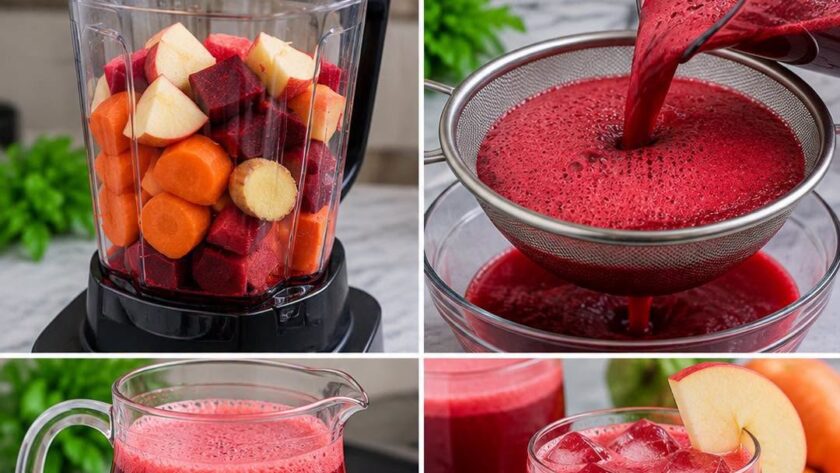
Step 5: Blend or Juice the Ingredients
If you are using a juicer, feed the prepared beetroot, carrots and apple through the machine according to the manufacturer’s instructions.
If you are using a blender, place all the ingredients into the blender jar and add approximately ¼ cup of water. Blend until the mixture becomes smooth. Add more water gradually if the mixture is too thick.
Blending and juicing produce slightly different results. A juicer separates much of the liquid from the pulp, while blending allows you to retain more of the fruit and vegetable fiber if you do not strain the mixture.
For a thicker drink that contains more fiber, blending without straining is generally a good choice.
Step 6: Strain the Juice if Desired
If you prefer a smoother, thinner drink, pour the blended mixture through a clean fine-mesh strainer.
Use a spoon to press the mixture gently and extract the liquid. Discard or compost the remaining pulp if you do not intend to use it in another recipe.
However, remember that straining removes much of the fiber. If you want to retain more fiber, skip this step and enjoy the blended mixture as a smoothie.
Step 7: Add Lemon and Ginger
Add one or two teaspoons of fresh lemon juice if you enjoy a slightly tangy flavor.
You can also add a small piece of freshly grated ginger. Ginger provides a mild spicy taste that complements the sweetness of the apple and carrots.
These additions are optional. The basic recipe tastes delicious without them, and neither ingredient turns the drink into a treatment for a medical condition.
Step 8: Serve Fresh
Pour the prepared juice into clean glasses and serve promptly.
You can add a little cold water if the consistency is too thick. Avoid adding sugar or other sweeteners, especially if you are monitoring your carbohydrate intake.
Freshly prepared juice generally tastes best when consumed soon after preparation.
3. Nutritional Benefits of Beetroot
Beetroot is the ingredient responsible for the juice’s deep red color and distinctive earthy taste. It contains several nutrients and plant compounds that contribute to its nutritional value.
Naturally Occurring Nitrates
Beetroot contains dietary nitrates, which the body can convert into nitric oxide through a series of biological processes.
Nitric oxide helps regulate blood vessel function and supports the widening of blood vessels. Research suggests that beetroot juice may help lower blood pressure modestly in some people, although the effects vary.
This does not mean beetroot juice can replace blood pressure medication or treat every circulation-related condition.
Betalains and Other Plant Compounds
Betalains are pigments that give beetroot its characteristic red and purple colors. These compounds have antioxidant activity in laboratory studies and are of interest to researchers investigating plant-based nutrition.
However, laboratory findings do not prove that eating beetroot or drinking its juice prevents or cures cancer in humans.
Folate
Beetroot provides folate, a B vitamin that helps the body produce DNA and supports normal cell division.
Adequate folate intake is important for general health, but beetroot juice should not be considered a substitute for medical treatment or a complete nutritional plan.
Support for a Balanced Diet
Beetroot can contribute variety to your daily fruit and vegetable intake. Its nutritional value is best appreciated alongside other vegetables, fruits, whole grains, legumes and suitable sources of protein.
4. Nutritional Benefits of Carrots
Carrots are an important part of this recipe because they add sweetness, color and beneficial nutrients.
Beta-Carotene and Vitamin A
Carrots contain beta-carotene, a plant pigment that the body can convert into vitamin A.
Vitamin A is essential for normal vision, immune function and the maintenance of healthy skin and other tissues.
Including carrots in a balanced diet is a simple way to increase your intake of this important nutrient.
Antioxidant Compounds
Carrots contain carotenoids and other plant compounds that contribute to their nutritional value.
A varied diet rich in fruits and vegetables supplies numerous compounds that help support normal physiological functions. However, the presence of antioxidants does not mean a particular food can independently prevent or cure a disease.
Natural Sweetness
Carrots have a mild, naturally sweet flavor that balances beetroot’s earthy taste.
Their sweetness makes this recipe enjoyable without requiring added sugar or artificial sweeteners.
5. Nutritional Benefits of Apples
Apples add a fruity flavor and natural sweetness to ABC juice.
Plant Polyphenols
Apples contain polyphenols, a group of naturally occurring plant compounds studied for their potential biological effects.
Eating a variety of fruits provides a broad range of plant compounds as part of a healthy dietary pattern.
Dietary Fiber
Whole apples contain dietary fiber, including pectin, which contributes to normal digestive function.
When you blend the apple with the other ingredients and retain the pulp, more fiber remains in the drink than when you strain it or extract the juice using a conventional juicer.
Fiber is particularly important for digestive health and can help moderate the rate at which carbohydrates are absorbed.
Natural Energy
Apples contain carbohydrates, including naturally occurring sugars, that provide energy.
However, juice is not a complete source of nutrition. A balanced meal that includes appropriate sources of protein, healthy fats and fiber is generally more satisfying and nutritionally complete.
6. How ABC Juice May Support General Wellness
The nutritional value of beetroot, apple and carrot juice comes from the ingredients themselves. When consumed in sensible portions, the drink can contribute to an overall healthy eating pattern.
Supporting Normal Energy Levels
The natural carbohydrates in apples and carrots provide energy for everyday activities.
Beetroot has also attracted scientific interest because its dietary nitrates may influence blood vessel function and exercise performance in some circumstances.
Nevertheless, drinking ABC juice does not guarantee increased stamina or eliminate fatigue. Persistent tiredness can have many causes, including inadequate sleep, anemia, nutritional deficiencies and underlying medical conditions.
If fatigue continues or affects your daily life, seek medical advice rather than relying on juice alone.
Supporting Healthy Blood Circulation
Healthy blood circulation depends on the functioning of the heart, blood vessels and other body systems.
The dietary nitrates in beetroot may help support normal blood vessel function, and some studies suggest beetroot juice can have a modest effect on blood pressure.
However, this drink does not clear blocked arteries, dissolve blood clots or cure circulatory diseases.
For better cardiovascular health, combine nutritious eating with regular physical activity, appropriate blood pressure management, adequate sleep and avoidance of smoking.
Contributing to Nutrient Intake
Beetroot, carrots and apples provide different nutrients and plant compounds. Combining them creates a convenient way to enjoy several ingredients in one drink.
Still, variety matters. Whole vegetables, whole fruits, legumes, nuts, seeds and whole grains each contribute different nutrients that a single juice cannot provide.
7. Can ABC Juice Kill Cancer Cells in 42 Days?
Claims that beetroot, apple and carrot juice kills cancer cells in 42 days are not supported by reliable clinical evidence.
Some compounds found in fruits and vegetables are studied in laboratories for their antioxidant and other biological properties. However, an effect observed in isolated cells does not demonstrate that drinking a juice will destroy cancer cells inside the human body.
Cancer is a complex group of diseases, and effective treatment depends on the type of cancer, its stage and other individual factors.
There is no established 42-day treatment period for ABC juice, and it should never be promoted as a proven cancer cure.
People living with cancer may benefit from suitable fruits and vegetables as part of their nutrition plan. However, cancer treatments can affect immunity, digestion and nutritional requirements. Anyone undergoing chemotherapy, radiation or another cancer treatment should consult their medical team before regularly consuming fresh, unpasteurized juice.
Important: Never stop, delay or replace prescribed cancer treatment with a juice recipe. Nutrition can support general well-being, but it is not a substitute for evidence-based cancer care.
8. Can ABC Juice Help People with Diabetes?
People with diabetes need to pay attention to the amount and type of carbohydrates they consume.
Although apples and carrots contain valuable nutrients, they also contain natural sugars. Beetroot contributes carbohydrates as well.
When juice is strained, much of its fiber is removed. Drinking a large glass of juice may raise blood glucose more quickly than eating whole fruits and vegetables.
If you have diabetes and wish to include ABC juice in your diet, consider the following suggestions:
- Choose a small serving rather than a large glass.
- Blend the ingredients and retain the pulp when practical.
- Avoid adding sugar, honey, syrup or other sweeteners.
- Include the drink within your overall carbohydrate and meal plan.
- Monitor your blood glucose according to your healthcare professional’s recommendations.
Individual responses vary, so the suitability of this drink depends on your dietary needs, medications and blood glucose management plan.
ABC juice does not cure diabetes, regenerate the pancreas or replace prescribed diabetes medication. Consult your healthcare professional before making significant dietary changes, especially if you use insulin or other glucose-lowering medicines.
9. Can ABC Juice Treat Liver Disease?
The liver performs essential functions, including processing nutrients, producing important substances and helping the body metabolize various compounds.
A balanced diet can support general health, but no single juice can treat every liver condition.
For people with metabolic dysfunction-associated steatotic liver disease, previously commonly called nonalcoholic fatty liver disease, medical recommendations may include appropriate weight management, physical activity and a healthy eating pattern.
ABC juice can provide some nutrients, but it is not a liver detoxification treatment. The liver already carries out the body’s normal metabolic and waste-processing functions.
If you have fatty liver disease, hepatitis, cirrhosis or another liver condition, consult your healthcare professional about the most appropriate diet for your situation. People with advanced liver disease may require specific nutritional adjustments.
Avoid replacing medical care with juice cleanses or restrictive diets, as these approaches may leave you short of essential nutrients.
10. A Sensible 42-Day Healthy Lifestyle Routine
You can use this recipe as one small part of a six-week effort to build healthier habits.
The following 42-day routine is a suggested framework for improving consistency. It is not a scientifically established treatment period for cancer, diabetes, liver disease or any other medical condition.
Days 1–7: Establish Healthy Habits
Begin by preparing fresh produce safely and learning how to make the recipe according to your taste.
Eat a variety of fruits and vegetables, drink water regularly and maintain balanced meals. If you have a medical condition, consider whether this drink fits your dietary recommendations.
Days 8–14: Improve Food Variety
Include a wider range of vegetables, whole fruits, whole grains and legumes in your meals.
Add suitable sources of protein, such as beans, lentils, eggs, fish or other foods appropriate to your dietary preferences.
Remember that juice should complement your meals rather than replace a varied diet.
Days 15–28: Develop Consistent Habits
Continue choosing nutritious foods and engaging in physical activity appropriate to your abilities.
Aim for regular sleep and maintain adequate hydration. If you are managing diabetes, high blood pressure or liver disease, continue following your prescribed care plan.
Do not increase your juice intake simply because you expect faster results.
Days 29–42: Review Your Progress
Consider whether your eating habits are sustainable and whether you are getting a variety of nutrients.
If you are managing a chronic medical condition, rely on appropriate medical follow-up and recommended tests to assess your health.
Do not judge your progress by the color of your urine, changes in energy alone or the number of days you have consumed ABC juice.
Long-term health improvements generally depend on several habits working together rather than one special drink.
11. Delicious Variations of ABC Juice
You can modify the basic recipe to suit your taste without adding unnecessary sweeteners.
Ginger ABC Juice
Add a small piece of fresh ginger to the beetroot, carrot and apple mixture.
Ginger gives the drink a mild spicy flavor that balances the natural sweetness of the other ingredients.
Start with a small amount and adjust according to your preference.
Lemon ABC Juice
Add one or two teaspoons of fresh lemon juice before serving.
Lemon adds a refreshing tang and helps balance the earthy taste of beetroot.
It is an optional ingredient, so you can leave it out if you prefer a sweeter drink.
Fiber-Rich ABC Smoothie
Instead of extracting and straining the juice, blend all the ingredients with water until smooth.
This creates a thicker drink that retains more of the fiber from the apple and vegetables.
Although this version contains more fiber, its carbohydrate content still matters for people managing blood glucose.
Mild and Sweet ABC Juice
If the beetroot flavor is too strong, use a slightly smaller beetroot or a sweeter apple.
You can also add a little more water to make the flavor milder.
There is no need to add sugar to achieve a pleasant taste.
12. Storage and Food Safety
Fresh homemade juice should be handled carefully because it is generally unpasteurized.
For the best quality and to reduce food-safety risks, follow these recommendations:
- Drink the juice soon after preparation whenever possible.
- If you need to store it, refrigerate it promptly in a clean, covered container at 4°C or below.
- Avoid leaving freshly prepared juice at room temperature for extended periods.
- Wash produce thoroughly and clean your blender, juicer, knives and cutting boards after use.
- Do not assume that lemon juice or refrigeration makes contaminated juice safe.
- If you are immunocompromised or receiving cancer treatment, ask your healthcare team whether unpasteurized juice is suitable for you.
Pasteurized juice may be a safer choice for people at increased risk of foodborne illness.
13. Frequently Asked Questions
Can I drink ABC juice on an empty stomach?
There is no established need to drink this juice on an empty stomach. You can choose a time that suits your digestion and dietary needs.
If it causes discomfort, nausea or other symptoms, stop drinking it and seek medical advice if the symptoms persist.
Can I drink ABC juice every morning?
Some healthy adults may choose to include a modest serving in their routine, but drinking it every morning is not necessary.
Eating a variety of whole fruits and vegetables is more important than relying on one recipe.
Does ABC juice detox the liver?
No. There is no good evidence that ABC juice removes toxins or cleanses the liver.
The liver already performs essential metabolic functions. Supporting liver health involves appropriate nutrition, medical care and management of any underlying condition.
Can I add more beetroot to make the juice stronger?
You can adjust the amount according to your taste, but adding more beetroot does not guarantee greater health benefits.
Beetroot can affect blood pressure, and people with certain medical conditions or dietary restrictions should seek professional advice before regularly consuming concentrated beetroot juice.
Will ABC juice improve blood circulation?
Beetroot’s naturally occurring nitrates may support blood vessel function and can modestly affect blood pressure in some people.
However, this drink cannot guarantee improved circulation or treat a diagnosed circulatory disorder.
Can I use ABC juice instead of breakfast?
Juice alone is generally not a nutritionally complete breakfast because it may not provide enough protein, fiber and healthy fats.
Consider enjoying a small serving alongside a balanced meal containing suitable protein, whole grains and other nutritious foods.
Is ABC juice suitable for everyone?
Not necessarily. People with diabetes, certain kidney conditions, recurrent calcium oxalate kidney stones, low blood pressure or specific dietary restrictions may need individualized advice.
People taking medication for blood pressure or glucose control should discuss substantial dietary changes with their healthcare professional.
Conclusion
Beetroot, apple and carrot juice is a refreshing homemade drink that combines the earthy flavor of beetroot, the natural sweetness of carrots and the fruity taste of apples.
Its ingredients provide a range of nutrients and plant compounds, including folate, beta-carotene, betalains and polyphenols. Beetroot also contains naturally occurring nitrates that researchers study for their potential effects on blood vessel function.
Prepared without added sugar and consumed in an appropriate portion, ABC juice can be a pleasant addition to a balanced diet. Blending the ingredients without straining helps retain more fiber, while eating whole fruits and vegetables remains an excellent way to obtain a wide range of nutrients.
However, it is essential to separate nutritional benefits from unsupported medical claims. There is no reliable evidence that this juice kills cancer cells in 42 days, cures diabetes or treats liver disease.
The best approach is to enjoy ABC juice for its flavor and nutritional contribution, maintain healthy everyday habits and seek appropriate medical care for any diagnosed condition.
A nutritious drink can be part of a healthy lifestyle, but no single recipe can replace a balanced diet, personalized medical advice or evidence-based treatment.


