 admin1
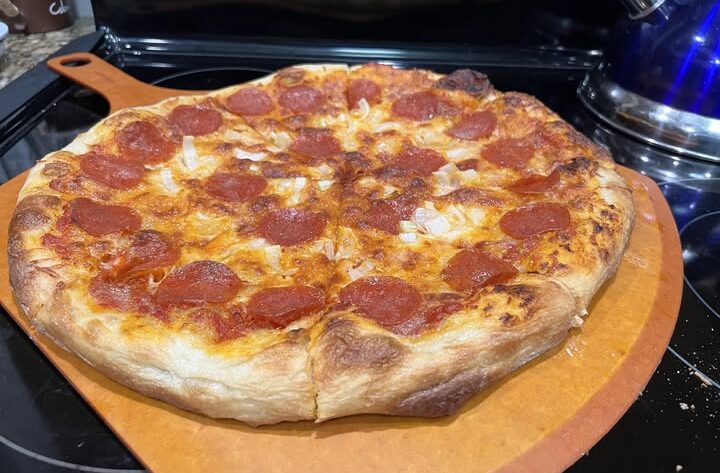
 Pepperoni pizza is one of the most loved comfort foods around the world. Known for its crispy crust, gooey melted cheese, rich tomato sauce, and spicy pepperoni slices, this classic pizza recipe has become a favorite for family dinners, parties, movie nights, and quick weekend meals. Whether you enjoy thin crust pizza, hand-tossed pizza, or deep-dish style, homemade pepperoni pizza delivers restaurant-quality flavor right from your own kitchen.
This homemade pepperoni pizza recipe is designed for pizza lovers who want fresh ingredients, authentic taste, and a delicious crispy texture without relying on frozen pizza or expensive takeout. Using simple pantry staples and traditional pizza-making techniques, you can create a flavorful pizza that tastes fresh, cheesy, and perfectly baked every time.
One reason pepperoni pizza remains so popular is its incredible balance of flavors. The savory pizza sauce, stretchy mozzarella cheese, golden crust, and slightly spicy pepperoni combine into a rich and satisfying bite that appeals to both children and adults. The crispy edges of baked pepperoni release flavorful oils during cooking, adding extra depth and aroma to every slice.
Homemade pizza also allows complete control over ingredients and quality. Unlike fast-food pizza, preparing pizza at home means you can choose fresh cheese, high-quality pepperoni, homemade dough, and flavorful herbs. You can customize the crust thickness, sauce quantity, and cheese level according to personal preference while avoiding preservatives commonly found in packaged pizzas.
The pizza crust is the foundation of every great pepperoni pizza. A good dough creates the perfect balance between crispy edges and soft chewy texture inside. Traditional pizza dough is made using flour, yeast, warm water, olive oil, salt, and a small amount of sugar. When mixed and rested properly, the dough develops elasticity and flavor that produces authentic pizzeria-style results.
Yeast is one of the key ingredients responsible for creating airy and soft pizza crust. As the dough rises, tiny air pockets form, giving the crust its light texture and golden appearance. Allowing the dough enough resting time improves flavor and makes shaping easier.
Flour selection can also impact the final texture of pizza. Many pizza lovers prefer bread flour because its higher protein content creates a chewier crust, while all-purpose flour offers a softer and lighter texture. Both options work well depending on the style of pizza you prefer.
The pizza sauce is another essential element of authentic pepperoni pizza. A flavorful sauce typically includes crushed tomatoes, garlic, olive oil, oregano, basil, salt, black pepper, and sometimes a touch of sugar to balance acidity. Fresh tomato sauce enhances the richness of the cheese and complements the spicy pepperoni beautifully.
Cheese plays a major role in creating the signature stretch and creamy texture associated with pizza. Mozzarella cheese remains the top choice because it melts evenly and develops a golden bubbly surface during baking. Some cooks also mix mozzarella with parmesan, provolone, or cheddar for additional flavor complexity.
Pepperoni itself is what gives this pizza its iconic identity. These thin, seasoned meat slices become slightly crispy in the oven while releasing flavorful oils onto the cheese surface. The smoky, savory, and mildly spicy taste of pepperoni creates the classic pizza flavor recognized worldwide.
Many modern pizza recipes include extra toppings such as mushrooms, olives, onions, jalapeños, bell peppers, or extra cheese. However, traditional pepperoni pizza remains timeless because of its simplicity and balanced flavor profile.
Homemade pepperoni pizza is also an excellent choice for gatherings and celebrations. It is easy to customize, affordable to prepare, and loved by nearly everyone. Families often enjoy pizza nights because everyone can participate in stretching dough, adding toppings, and personalizing their slices.
Another benefit of homemade pizza is freshness. Freshly baked pizza has a crisp crust and hot melted cheese that simply cannot compare to reheated frozen pizza. The aroma of baking dough, bubbling cheese, and sizzling pepperoni creates a warm and inviting kitchen atmosphere.
Pepperoni pizza is also incredibly versatile. It can be served for lunch, dinner, snacks, parties, or game nights. Leftover slices can be reheated easily and still taste delicious the next day.
For beginners, homemade pizza may seem intimidating at first, but it is actually very manageable with basic techniques. Once you learn how to prepare the dough and assemble toppings, making pizza becomes enjoyable and rewarding.
Temperature is extremely important when baking pizza. High oven heat helps create a crispy crust while melting the cheese evenly. Many home cooks preheat pizza stones or baking trays to imitate professional pizza ovens and achieve better texture.
The dough should also be rolled or stretched evenly to ensure proper cooking. Thick areas may remain undercooked while thinner sections become overly crisp. Lightly flouring the surface prevents sticking and makes shaping easier.
Olive oil contributes richness and flavor to pizza dough while also helping the crust become golden during baking. Brushing olive oil around the crust edges before baking creates an attractive bakery-style finish.
Fresh herbs such as oregano, basil, thyme, or parsley can elevate homemade pizza with extra aroma and visual appeal. Dried Italian seasoning also pairs perfectly with tomato sauce and melted cheese.
Garlic is another popular addition to pizza recipes. Garlic powder in the dough or minced garlic in the sauce enhances savory depth without overpowering the main flavors.
One reason homemade pepperoni pizza ranks highly among popular recipes online is because it combines convenience with comfort food satisfaction. It is easy enough for casual meals yet impressive enough to serve guests.
Children especially enjoy helping prepare pizza because they can choose toppings and participate in decorating the dough. Homemade pizza nights often become enjoyable family traditions filled with creativity and shared meals.
Texture is one of the defining characteristics of excellent pepperoni pizza. A crispy outer crust combined with chewy interior dough and bubbling cheese creates irresistible contrast. The pepperoni should slightly curl and crisp around the edges while remaining juicy inside.
The baking process also affects flavor development. As the pizza cooks, the cheese browns slightly, the sauce thickens, and the pepperoni oils blend into the crust and toppings, creating deep savory flavor.
If you prefer healthier pizza options, you can adjust ingredients while keeping the same delicious taste. Whole wheat flour can replace part of the white flour, reduced-fat cheese may lower calories, and homemade sauce avoids unnecessary preservatives and sugar.
Some pizza enthusiasts also enjoy adding red chili flakes, parmesan cheese, or garlic butter after baking for extra flavor enhancement. These finishing touches create restaurant-style presentation and taste.
Another advantage of making pizza from scratch is cost savings. Homemade pizza is often cheaper than ordering from restaurants, especially when feeding larger families or groups. Basic ingredients like flour, cheese, tomatoes, and pepperoni are affordable and widely available.
Pizza can also be adapted to different crust styles. Thin crust pizza offers extra crispiness, while thicker crust versions provide softer texture and bread-like chewiness. Stuffed crust and pan pizza are additional creative variations.
The sauce-to-cheese ratio is important for balanced flavor. Too much sauce can make the crust soggy, while excessive cheese may overwhelm the other ingredients. A well-balanced pizza allows each layer to shine without overpowering the others.
Fresh mozzarella produces excellent melt and creamy texture, but low-moisture mozzarella creates a more traditional pizzeria-style stretch and golden surface. Combining both types can produce exceptional results.
Pepperoni pizza pairs wonderfully with side dishes such as garlic bread, Caesar salad, roasted vegetables, potato wedges, or dipping sauces. Beverages like soda, lemonade, iced tea, or sparkling water complement pizza meals perfectly.
Presentation can make homemade pizza even more appealing. Slicing the pizza evenly and garnishing with herbs or parmesan creates a professional look that feels special and inviting.
Storage is simple as well. Leftover pizza should be refrigerated in an airtight container and reheated in the oven or skillet for best texture. Many people even enjoy cold pizza because the flavors continue developing overnight.
One reason pizza continues to dominate food trends globally is its universal appeal. It is customizable, shareable, comforting, and suitable for nearly every occasion. Pepperoni pizza especially remains one of the most searched and ordered pizza varieties because of its iconic flavor combination.
The smell of fresh pizza baking in the oven instantly creates excitement and anticipation. The crispy crust, bubbling cheese, and sizzling pepperoni together produce one of the most recognizable food aromas in the world.
For home cooks wanting reliable comfort food recipes, homemade pepperoni pizza is a timeless choice. It combines simple ingredients with satisfying flavor while offering endless customization opportunities.
Preparing pizza from scratch also builds confidence in the kitchen. Learning dough preparation, sauce seasoning, and baking techniques helps improve overall cooking skills while producing delicious results.
Whether served during family movie night, birthday celebrations, weekend dinners, or casual gatherings, pepperoni pizza always brings warmth and enjoyment to the table. Few dishes create the same level of comfort, convenience, and universal popularity.
This homemade pepperoni pizza recipe delivers crispy crust, rich tomato flavor, stretchy melted cheese, and savory pepperoni in every bite. It is simple enough for beginners, customizable for creative cooks, and delicious enough to rival restaurant-quality pizza.
If you are searching for the best homemade pepperoni pizza recipe, easy pizza dough instructions, cheesy pizza ideas, or authentic oven-baked pizza inspiration, this recipe is a flavorful and satisfying choice that never goes out of style.
Part 2: Easy Homemade Pepperoni Pizza Recipe
Ingredients
For the Pizza Dough
- 2 1/4 teaspoons active dry yeast
- 1 teaspoon sugar
- 3/4 cup warm water
- 2 cups all-purpose flour or bread flour
- 1 teaspoon salt
- 1 tablespoon olive oil
For the Pizza Sauce
- 1 cup crushed tomatoes or pizza sauce
- 2 garlic cloves, minced
- 1 teaspoon dried oregano
- 1/2 teaspoon dried basil
- Salt and black pepper to taste
- 1 teaspoon olive oil
For the Toppings
- 2 cups shredded mozzarella cheese
- 20–25 pepperoni slices
- 2 tablespoons parmesan cheese (optional)
- Italian seasoning or chili flakes for garnish
- Fresh basil or parsley for topping (optional)
Instructions
Step 1: Prepare the Dough
In a bowl, combine warm water, sugar, and yeast. Let it sit for 5–10 minutes until foamy. Add flour, salt, and olive oil. Mix into a soft dough and knead for about 8 minutes until smooth. Cover and let the dough rise for 1 hour or until doubled in size.
Step 2: Make the Pizza Sauce
In another bowl, mix crushed tomatoes, garlic, oregano, basil, olive oil, salt, and black pepper. Stir until well combined.
Step 3: Shape the Pizza
Preheat the oven to 475°F (245°C). Roll or stretch the dough into a pizza shape and place it on a baking tray or pizza stone.
Step 4: Add Sauce and Toppings
Spread the pizza sauce evenly over the dough. Sprinkle mozzarella cheese on top, then arrange pepperoni slices evenly. Add parmesan cheese if desired.
Step 5: Bake Until Golden
Bake the pizza for 12–15 minutes or until the crust becomes golden brown and the cheese is melted and bubbly.
Step 6: Slice and Serve
Remove the pizza from the oven and let it cool slightly. Garnish with Italian seasoning, chili flakes, or fresh herbs before slicing and serving.