 admin1
 Gluten-free cooking has transformed from a simple dietary requirement into a worldwide food trend. More people are searching for healthy pasta alternatives that taste just as satisfying as traditional wheat pasta. Whether you follow a gluten-free diet because of celiac disease, gluten sensitivity, or personal wellness goals, homemade gluten-free pasta delivers both flavor and freshness in every bite.
Unlike many packaged gluten-free pasta brands that can become gummy or break apart during cooking, homemade pasta offers a soft texture, rich flavor, and better control over ingredients. Making it from scratch also allows you to avoid preservatives, artificial binders, and unnecessary additives commonly found in store-bought versions.
Fresh gluten-free pasta can be used in countless recipes including creamy Alfredo pasta, hearty Bolognese dishes, baked casseroles, garlic butter noodles, pasta salads, and comforting soups. The best part is that you can customize the dough with herbs, spices, or nutritious flour blends to create restaurant-style pasta at home.
This easy homemade gluten-free pasta recipe creates tender noodles with excellent texture using simple pantry ingredients. It is ideal for beginners and experienced home cooks alike.
What Makes Gluten-Free Pasta Different?
Traditional pasta is made with wheat flour, which naturally contains gluten. Gluten is the protein responsible for elasticity and chewiness in regular pasta dough. Without gluten, homemade pasta can become fragile or crumbly if not prepared properly.
That is why gluten-free pasta recipes rely on alternative flour combinations and binding ingredients to achieve the perfect structure. A good gluten-free dough should be:
- Smooth and flexible
- Easy to roll and shape
- Soft after cooking
- Strong enough to hold sauces
Using the right balance of gluten-free flour, eggs, oil, and starches helps create a dough that closely mimics classic Italian pasta.
Best Gluten-Free Flours for Homemade Pasta
Choosing the right flour blend is one of the most important steps when making gluten-free pasta from scratch. Different flours affect texture, taste, and cooking performance.
Rice Flour
Rice flour is one of the most common gluten-free ingredients because it creates a neutral flavor and smooth texture. White rice flour produces softer pasta, while brown rice flour adds a slightly nutty taste.
Tapioca Starch
Tapioca starch improves elasticity and chewiness. It helps prevent the pasta from cracking and gives noodles a better bite.
Cornstarch
Cornstarch lightens the dough and creates a silkier texture. It is often combined with rice flour for balanced results.
Potato Starch
Potato starch helps retain moisture and prevents the pasta from drying out during cooking.
Xanthan Gum
Many gluten-free recipes include xanthan gum because it acts as a binder that replaces gluten’s elasticity. Only a small amount is needed.
Essential Ingredients for Soft Gluten-Free Pasta
This homemade pasta recipe uses basic ingredients that work together to create flavorful and tender noodles.
Gluten-Free Flour Blend
A high-quality gluten-free flour mix provides the base structure of the dough.
Eggs
Eggs add richness, moisture, and protein while helping bind the ingredients together naturally.
Olive Oil
Olive oil improves texture and gives the pasta a silky finish.
Salt
Salt enhances flavor and balances the overall taste.
Warm Water
Warm water hydrates the flour and helps bring the dough together smoothly.
Optional authentic additions include:
- Garlic powder
- Italian seasoning
- Fresh parsley
- Spinach puree for green pasta
- Beet puree for colorful pasta dough
Health Benefits of Gluten-Free Pasta
Many people search for healthy gluten-free pasta because it can support various dietary needs while still being satisfying and comforting.
Easier Digestion
For individuals with gluten intolerance or celiac disease, gluten-free pasta can help reduce bloating, discomfort, and digestive irritation.
Better Ingredient Control
Homemade recipes allow you to avoid preservatives, artificial colors, and processed additives.
Nutrient-Rich Options
Using alternative flours like chickpea, brown rice, quinoa, or lentil flour can increase fiber and protein content.
Lower Processed Food Intake
Preparing fresh pasta at home encourages healthier cooking habits and more wholesome meals.
How to Make Perfect Gluten-Free Pasta Dough
Creating smooth dough requires patience and proper mixing techniques. Since gluten-free dough behaves differently than traditional pasta dough, hydration is very important.
Start by combining the dry ingredients thoroughly. This ensures even distribution of starches and binders. Next, create a well in the center and add the eggs, olive oil, and water gradually.
Mix gently until a rough dough forms. If the dough feels dry, add a little more warm water one teaspoon at a time. If it becomes sticky, lightly dust with gluten-free flour.
Kneading gluten-free dough is much gentler compared to wheat dough. Overworking it may cause cracking. Knead only until smooth and cohesive.
Allowing the dough to rest for 20 to 30 minutes is essential because it hydrates the flour completely and improves texture.
Rolling and Shaping Homemade Pasta
One of the most exciting parts of homemade pasta is creating different noodle shapes.
Fettuccine
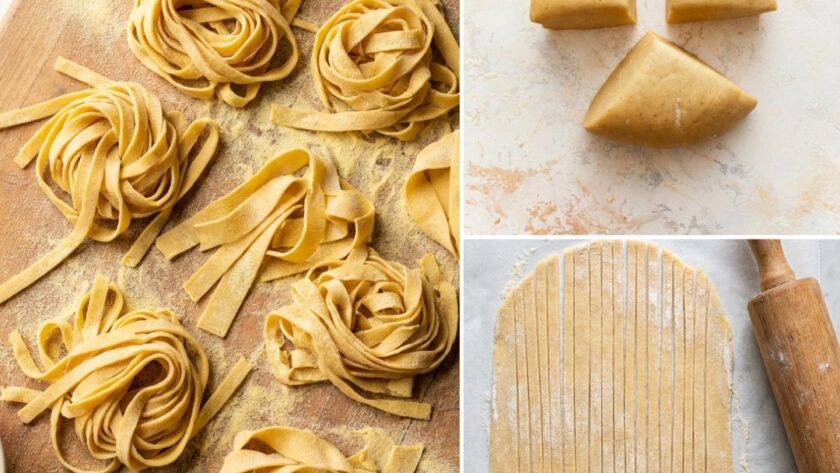
Roll the dough thinly and slice into long ribbons for creamy pasta dishes.
Tagliatelle
These slightly wider noodles work beautifully with meat sauces.
Lasagna Sheets
Large flat sheets are perfect for baked gluten-free lasagna.
Ravioli
Fresh gluten-free dough can also be stuffed with ricotta, spinach, or mushroom fillings.
Pappardelle
Wide ribbon pasta pairs wonderfully with rich sauces and slow-cooked meats.
When rolling gluten-free dough, always use parchment paper or extra flour to prevent sticking.
Cooking Tips for Gluten-Free Pasta
Fresh gluten-free pasta cooks faster than dried pasta, usually within 2 to 4 minutes.
Here are some useful cooking tips:
- Use a large pot of salted boiling water
- Stir gently to avoid sticking
- Do not overcook
- Taste frequently for doneness
- Drain carefully
- Toss immediately with sauce or olive oil
Fresh gluten-free pasta is delicate but incredibly flavorful when cooked properly.
Best Sauces for Gluten-Free Pasta
Homemade gluten-free pasta pairs well with countless sauces and toppings.
Creamy Alfredo Sauce
A rich garlic parmesan sauce creates comforting restaurant-style pasta.
Marinara Sauce
Classic tomato sauce with herbs is always a favorite.
Pesto Sauce
Fresh basil pesto adds vibrant flavor and freshness.
Garlic Butter Sauce
Simple garlic butter highlights the homemade texture beautifully.
Mushroom Cream Sauce
Earthy mushrooms and cream create a luxurious meal.
Spicy Arrabbiata Sauce
Perfect for people who enjoy bold flavors and heat.
Common Mistakes to Avoid
Even simple pasta recipes can have texture issues if certain mistakes happen during preparation.
Using Too Much Flour
Excess flour can make the dough dry and crumbly.
Skipping Rest Time
Resting hydrates the dough and improves flexibility.
Overcooking
Gluten-free pasta becomes soft quickly, so monitor cooking time carefully.
Rolling Too Thin
Very thin dough may tear easily during cooking.
Not Using Enough Water
Pasta needs enough hydration for smooth texture.
Storage and Freezing Tips
Fresh gluten-free pasta stores surprisingly well.
Refrigerator Storage
Place uncooked pasta in an airtight container and refrigerate for up to 2 days.
Freezing Instructions
Arrange pasta on a tray until frozen, then transfer to freezer bags. Frozen pasta can last up to 2 months.
Cook frozen pasta directly from the freezer without thawing.
Creative Ways to Serve Gluten-Free Pasta
Homemade pasta is versatile enough for many creative meals.
- Creamy chicken pasta
- Gluten-free mac and cheese
- Vegetable primavera
- Shrimp garlic pasta
- Lemon herb noodles
- Pasta salad
- Baked pasta casserole
- Italian sausage pasta
- Spinach ricotta ravioli
- Mediterranean pasta bowls
Adding fresh herbs, parmesan cheese, roasted vegetables, or grilled protein can elevate the meal further.
Why Homemade Pasta Tastes Better Than Store-Bought
Fresh pasta has a softer texture and richer flavor because it is made without preservatives or long shelf storage. Homemade gluten-free noodles absorb sauces more effectively and create a more authentic Italian-style dining experience.
Store-bought gluten-free pasta can sometimes become grainy or mushy, while fresh dough creates tender, silky noodles that taste truly homemade.
Preparing pasta from scratch also gives you complete control over thickness, shape, ingredients, and flavor combinations.
Expert Tips for Restaurant-Style Gluten-Free Pasta
If you want your homemade pasta to taste professionally made, these simple techniques help tremendously:
- Use room-temperature eggs
- Allow dough to rest before rolling
- Cook pasta in heavily salted water
- Save pasta water for sauces
- Toss pasta with sauce immediately
- Finish with olive oil and herbs
Freshly grated parmesan and cracked black pepper also add incredible flavor.
Final Thoughts on Homemade Gluten-Free Pasta
Homemade gluten-free pasta is one of the most rewarding comfort foods you can make in your kitchen. It is soft, flavorful, versatile, and surprisingly easy once you understand the basics of gluten-free dough preparation.
Whether you are making a quick family dinner or preparing an elegant Italian-inspired meal, fresh gluten-free pasta creates satisfying dishes without sacrificing texture or taste.
With the right flour blend, proper hydration, and careful cooking, you can enjoy delicious homemade pasta that rivals traditional wheat noodles. This recipe is perfect for weeknight meals, special occasions, meal prep, and healthy comfort food cravings.
Once you try fresh homemade gluten-free pasta, it may become a regular favorite in your kitchen.
Part 2: Simple Gluten-Free Pasta Recipe
Homemade Gluten-Free Pasta Recipe
Preparation Time
20 minutes
Cooking Time
5 minutes
Total Time
25 minutes
Servings
4 servings
Ingredients
- 2 cups gluten-free all-purpose flour blend
- 2 large eggs
- 2 tablespoons olive oil
- 1/2 teaspoon salt
- 2 to 4 tablespoons warm water
- 1 teaspoon xanthan gum (if not included in flour blend)
Optional Additions:
- 1 teaspoon garlic powder
- 1 teaspoon Italian herbs
- Fresh parsley for garnish
Instructions
Step 1: Mix Dry Ingredients
In a large mixing bowl, combine the gluten-free flour, salt, and xanthan gum.
Step 2: Add Wet Ingredients
Create a well in the center and add eggs and olive oil. Slowly mix while adding warm water little by little.
Step 3: Form Dough
Mix until a soft dough forms. Knead gently for 2 to 3 minutes until smooth.
Step 4: Rest the Dough
Cover the dough and let it rest for 20 minutes.
Step 5: Roll the Dough
Place dough between parchment sheets and roll thinly.
Step 6: Cut Pasta
Slice into noodles or desired pasta shapes.
Step 7: Cook
Boil salted water and cook pasta for 2 to 4 minutes until tender.
Step 8: Serve
Drain and toss with your favorite gluten-free pasta sauce.
Serving Suggestions
Serve with:
- Alfredo sauce
- Marinara sauce
- Garlic butter
- Pesto
- Grilled chicken
- Roasted vegetables