 admin1
 There is something deeply comforting about baking fresh bread at home, especially when it comes to classic sandwich bread. Soft, fluffy, and perfectly sliceable, homemade sandwich bread is one of the most useful and rewarding breads you can make in your kitchen. From breakfast toast and grilled sandwiches to lunchbox meals and evening snacks, this versatile loaf works beautifully for almost every occasion.
Unlike many store-bought loaves filled with preservatives and artificial additives, homemade sandwich bread offers a fresher taste, softer texture, and more natural flavor. The aroma of freshly baked bread alone transforms the kitchen into a warm and welcoming space.
Soft sandwich bread has become increasingly popular among home bakers because people are searching for:
- Easy homemade bread recipes
- Soft white sandwich bread
- Bakery-style loaf recipes
- Beginner bread baking ideas
- Fluffy bread recipes
- Homemade sandwich loaf
- Fresh bread without preservatives
This homemade loaf recipe is loved because it creates soft slices that stay tender and flavorful. Whether used for sandwiches, French toast, garlic bread, or breakfast toast, this bread delivers bakery-quality results with simple pantry ingredients.
One of the best things about homemade sandwich bread is its versatility. You can enjoy it plain, toasted, buttered, or layered with your favorite sandwich fillings. It pairs perfectly with eggs, cheese, grilled vegetables, chicken, soups, jams, and spreads.
Fresh bread also creates a sense of comfort that packaged bread rarely matches. The soft crumb, golden crust, and rich homemade aroma make every slice feel special.
Why Homemade Sandwich Bread Is Better Than Store-Bought
Many commercial breads are designed for long shelf life rather than freshness and flavor. They often contain preservatives, stabilizers, and artificial conditioners that can affect texture and taste.
Homemade sandwich bread provides several advantages:
- Freshly baked flavor
- Softer texture
- Better ingredient quality
- No unnecessary preservatives
- Adjustable sweetness and softness
- Rich homemade aroma
Another major benefit is customization. You control the ingredients, allowing you to create bread exactly the way your family prefers.
Many people are surprised by how much softer and fresher homemade bread tastes compared to packaged supermarket loaves.
What Makes Sandwich Bread So Soft and Fluffy
Perfect sandwich bread should have a tender crumb, light texture, and enough structure to hold fillings without becoming dry or crumbly.
Several ingredients contribute to that soft bakery-style texture.
Flour
Bread flour provides structure and elasticity.
Milk
Milk creates softer texture and richer flavor.
Butter or Oil
Fat adds moisture and tenderness to the loaf.
Yeast
Yeast creates air pockets that give the bread its fluffy texture.
Sugar
A small amount of sugar helps feed the yeast while slightly enhancing flavor.
When combined properly, these ingredients create soft, sliceable bread ideal for everyday use.
Why Homemade Bread Baking Has Become So Popular
Bread baking has experienced a major rise in popularity because people enjoy preparing fresh comfort food at home.
Homemade bread offers:
- Better freshness
- Cost savings
- Creative baking experience
- Warm comforting aroma
- Higher-quality texture
Many beginner bakers also discover that bread making feels relaxing and rewarding. Watching dough rise and transform into a beautiful loaf creates a satisfying kitchen experience.
Social media and food blogs have also inspired more people to bake bread from scratch, especially easy sandwich loaves that work for daily meals.
The Secret to Bakery-Style Sandwich Bread
Bakery-style sandwich bread is known for its pillowy softness and smooth slices. Achieving that texture at home depends on several important techniques.
Proper Kneading
Kneading develops gluten, which creates elasticity and structure.
Adequate Rising Time
Allowing the dough to rise fully helps produce a lighter loaf.
Correct Hydration
A properly hydrated dough remains soft without becoming dense.
Gentle Shaping
Careful shaping helps maintain air pockets for fluffy texture.
Why This Bread Is Perfect for Everyday Meals
Sandwich bread is one of the most practical homemade breads because it can be used in so many ways.
Breakfast Toast
Serve toasted with butter, jam, or honey.
Lunch Sandwiches
Use for vegetable, cheese, egg, or chicken sandwiches.
French Toast
Its soft texture absorbs custard beautifully.
Garlic Bread
Transform slices into crispy garlic toast.
Tea-Time Snacks
Perfect for grilled sandwiches and quick snacks.
Its neutral flavor and soft structure make it ideal for both sweet and savory meals.
A Beginner-Friendly Bread Recipe
Many people feel nervous about baking bread for the first time, but sandwich bread is one of the easiest loaves to learn.
The process usually includes:
- Mixing the dough
- Kneading until smooth
- Allowing the dough to rise
- Shaping and baking
Unlike artisan bread recipes that require advanced techniques, sandwich bread is forgiving and approachable for beginners.
Even simple homemade loaves often taste significantly better than store-bought bread.
The Importance of Quality Ingredients
Because sandwich bread uses basic pantry ingredients, quality matters.
Flour Quality
Strong bread flour creates better texture and rise.
Fresh Yeast
Active yeast helps produce fluffy, airy bread.
Good Butter or Oil
Fat contributes softness and flavor.
Fresh Milk
Milk improves texture and richness.
Using fresh ingredients improves both taste and appearance.
How Dough Rising Creates Soft Bread
Yeast fermentation is one of the most important stages in bread baking. During rising, yeast produces gases that expand the dough and create fluffy texture.
Proper proofing helps the bread become:
- Light
- Airy
- Soft
- Easy to slice
Underproofed dough may become dense, while overproofed dough can collapse during baking.
Patience during the rising process is one of the secrets to perfect homemade bread.
Common Bread Baking Mistakes to Avoid
Even though sandwich bread is beginner-friendly, a few small mistakes can affect the final loaf.
Adding Too Much Flour
Excess flour may create dry or heavy bread.
Using Cold Ingredients
Room-temperature ingredients help yeast activate more effectively.
Insufficient Kneading
Poor gluten development may reduce softness.
Overbaking
Too much baking time can dry out the loaf.
Tips for Extra Soft Sandwich Bread
Use Warm Milk
Warm milk helps activate the yeast and improves texture.
Knead Until Smooth
Elastic dough creates better structure.
Cover During Rising
Preventing dryness helps maintain moisture.
Brush with Butter After Baking
Butter keeps the crust soft and flavorful.
Creative Ways to Use Homemade Sandwich Bread
One reason sandwich bread remains a kitchen staple is its versatility.
Classic Sandwiches
Perfect for grilled cheese, chicken, egg, or vegetable fillings.
Homemade Croutons
Cube leftover bread for soups and salads.
Bread Pudding
Transform extra slices into comforting desserts.
Mini Tea Sandwiches
Soft bread works beautifully for party snacks.
Toast Variations
Top with avocado, peanut butter, fruits, or cream cheese.
Why Fresh Bread Creates a Cozy Kitchen Experience
Freshly baked bread has a unique emotional appeal. The smell of bread rising and baking often reminds people of comfort, family meals, and homemade traditions.
Baking bread at home also creates a relaxing and rewarding experience that many people enjoy as part of slow cooking and homemade living.
The warm aroma alone can make homemade bread feel special.
Perfect Bread for Meal Prep and Family Use
Homemade sandwich bread is excellent for weekly meal preparation because it works for multiple meals throughout the day.
A single loaf can be used for:
- Breakfast toast
- School lunches
- Sandwiches
- Evening snacks
- Side bread for soups
This makes it practical, economical, and family-friendly.
Storage Tips for Freshness
Homemade bread does not contain preservatives, so proper storage is important.
Best Storage Methods
- Store in airtight bread bags or containers
- Keep at room temperature
- Avoid refrigeration if possible
- Freeze slices for longer storage
Properly stored homemade bread remains soft and flavorful for several days.
Why Homemade Sandwich Bread Is Worth the Effort
Although baking bread requires patience, the results are incredibly rewarding. Fresh homemade sandwich bread tastes richer, softer, and more satisfying than packaged loaves.
The process also allows complete control over ingredients and texture.
Once many people begin baking homemade bread, they rarely want to return to ordinary store-bought loaves.
Final Thoughts
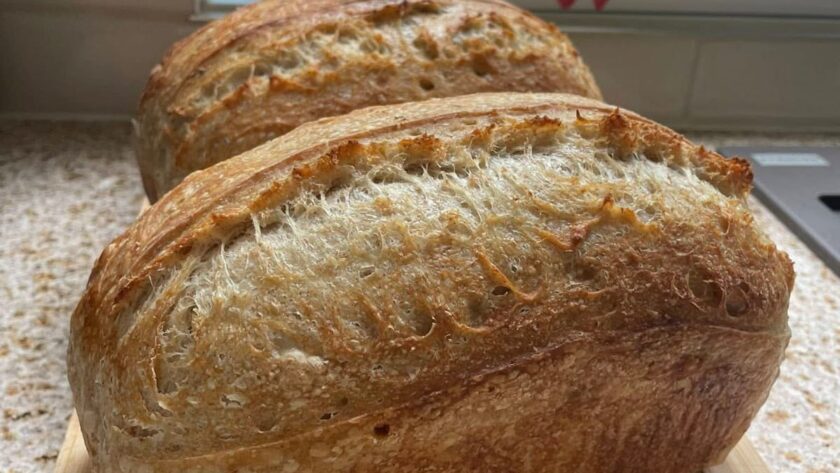
Homemade Everyday Sandwich Bread is the perfect combination of softness, freshness, and versatility. Its fluffy texture, tender crumb, and golden crust make it ideal for sandwiches, toast, snacks, and family meals.
Whether you are new to baking or experienced in homemade bread making, this soft sandwich loaf delivers reliable bakery-style results with simple ingredients and timeless flavor.
Fresh from the oven and sliced warm, it creates the kind of comforting homemade experience that makes bread baking truly special.
Part 2: Simple Recipe Version
Easy Homemade Sandwich Bread Recipe
Preparation Time
25 Minutes
Rising Time
1.5–2 Hours
Baking Time
30–35 Minutes
Servings
1 Large Loaf
Ingredients
- Bread flour or all-purpose flour
- Warm milk or lukewarm water
- Active dry yeast
- Sugar
- Salt
- Butter or neutral oil
- Optional milk powder for extra softness
- Melted butter for brushing after baking
Instructions
Step 1 – Activate the Yeast
In a bowl, combine warm milk, sugar, and yeast. Let sit for several minutes until foamy.
Step 2 – Prepare the Dough
Add flour, salt, and butter to the yeast mixture. Mix until a soft dough forms.
Step 3 – Knead Until Smooth
Knead the dough until elastic and smooth. Place in a greased bowl, cover, and let rise until doubled in size.
Step 4 – Shape the Loaf
Punch down the dough gently and shape into a loaf. Transfer to a greased loaf pan.
Step 5 – Second Rise
Allow the dough to rise again until puffy and slightly above the pan edge.
Step 6 – Bake Until Golden
Bake until the loaf becomes beautifully golden brown and sounds hollow when tapped.
Step 7 – Cool and Slice
Brush with melted butter for a soft crust. Let cool before slicing.
Helpful Tips
- Use bread flour for better texture.
- Avoid adding too much flour while kneading.
- Let the bread cool before slicing.
- Store in airtight containers to maintain softness.