 admin1
 Few homemade breads are as comforting, versatile, and beginner-friendly as soft skillet flatbread. Warm, golden, and lightly charred from a hot pan, this simple bread recipe has become a favorite in kitchens around the world because it requires basic pantry ingredients and delivers bakery-style results without the need for complicated techniques.
Flatbread has been a staple food across many cultures for centuries. From rustic farmhouse kitchens to modern family tables, this soft and chewy bread remains popular because it pairs beautifully with almost any meal. Whether served with soups, curries, grilled meats, breakfast spreads, or creamy dips, homemade flatbread transforms simple meals into something deeply satisfying.
Unlike traditional yeast breads that require long rising times, skillet flatbread cooks quickly and easily in a hot pan. The dough comes together with minimal effort, and within minutes, the bread puffs beautifully while developing golden brown spots and soft layers.
One reason homemade flatbread recipes continue trending online is because they are practical, affordable, and incredibly versatile. You don’t need special baking equipment or advanced bread-making skills. A mixing bowl, rolling pin, and skillet are often all you need.
If you love easy homemade bread recipes, soft wrap bread, no-yeast flatbread, or quick skillet breads, this recipe is a perfect addition to your kitchen collection.
Why Homemade Flatbread Is So Popular
Flatbread recipes remain popular because they fit perfectly into modern cooking lifestyles.
They are:
- Quick and easy to prepare
- Made with simple pantry ingredients
- Budget-friendly
- Versatile for many meals
- Great for wraps and sandwiches
- Easy to store and reheat
- Beginner-friendly
Unlike complicated artisan bread recipes, flatbread requires very little waiting time. Many versions can be prepared in under an hour from start to finish.
Another reason flatbread is widely loved is its flexibility. It works equally well with savory meals and sweet toppings, making it useful throughout the day.
What Makes Skillet Flatbread So Soft and Delicious
The texture of skillet flatbread comes from balancing moisture, heat, and cooking technique.
The dough should remain soft and slightly elastic, which helps the bread puff during cooking.
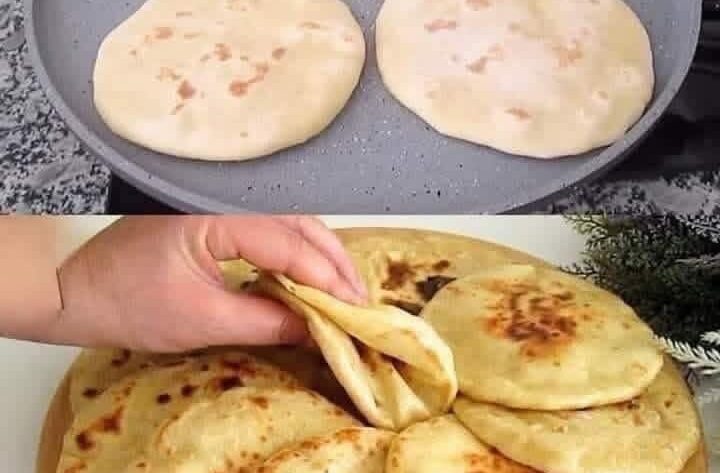
Cooking in a hot skillet creates steam inside the dough, causing air pockets to form. This produces the signature soft layers and slightly chewy texture.
The outside develops golden brown spots and light charring while the inside stays tender.
Brushing the skillet lightly with oil also helps create a soft yet lightly crisp exterior.
The final result is warm, flexible bread that folds beautifully without cracking.
Why Flatbread Is Perfect for Everyday Meals
One reason homemade flatbread remains a staple in many homes is because it complements almost every type of meal.
It can be used as:
- Wrap bread
- Sandwich bread
- Side bread for soups
- Dip bread for appetizers
- Breakfast bread
- Pizza-style base
- Snack bread
Its soft texture and mild flavor make it adaptable to countless dishes and cuisines.
Flatbread is also excellent for busy households because it reheats well and stores easily.
The Importance of Proper Dough Texture
The dough texture plays a major role in achieving soft flatbread.
If the dough is too dry, the bread may become dense and stiff.
If it is too wet, rolling becomes difficult and the bread may not cook evenly.
The ideal dough should feel:
- Soft
- Smooth
- Slightly tacky
- Easy to knead
Allowing the dough to rest briefly before rolling also helps relax the gluten, making the bread easier to shape and softer after cooking.
Why Cooking in a Cast-Iron Skillet Works Best
Cast-iron skillets are especially popular for flatbread because they hold heat evenly and create beautiful browning.
A properly heated skillet helps:
- Puff the bread quickly
- Create charred spots
- Cook evenly
- Develop flavor
However, any heavy skillet or nonstick pan can also work successfully.
The key is maintaining medium-high heat so the bread cooks quickly without drying out.
Understanding the Puffing Process
One of the most satisfying moments when making flatbread is watching the dough puff in the skillet.
This puffing happens because moisture inside the dough turns into steam during cooking.
The steam expands and separates layers within the dough, creating airy pockets and soft texture.
Pressing gently with a spatula can help encourage even puffing across the surface.
Even if the bread does not puff dramatically, it can still turn out soft and delicious.
Flavor Variations for Homemade Flatbread
Although classic flatbread tastes wonderful on its own, small additions can easily customize the flavor.
Garlic Flatbread
Add garlic powder to the dough for savory depth.
Herb Flatbread
Mix dried oregano, parsley, thyme, or basil into the flour.
Sesame Flatbread
Sprinkle sesame seeds on top before cooking.
Whole Wheat Version
Substitute part of the flour with whole wheat flour for nuttier flavor.
Spiced Flatbread
Add cumin, chili flakes, or paprika for extra warmth.
These simple adjustments create exciting variations while preserving the original soft texture.
Best Ways to Serve Homemade Flatbread
Flatbread is one of the most versatile breads you can make.
Wraps and Sandwiches
Use flatbread to wrap grilled chicken, vegetables, hummus, falafel, or scrambled eggs.
With Soups and Stews
Serve alongside chili, curry, soup, or stew to soak up flavorful sauces.
Breakfast Option
Top with honey, jam, butter, or cinnamon sugar.
Party Appetizer
Slice into wedges and pair with dips like hummus, tzatziki, baba ganoush, or spinach dip.
Pizza-Style Flatbread
Use as a quick base for homemade flatbread pizzas.
Why Homemade Bread Feels So Comforting
There is something timeless and deeply comforting about making bread from scratch.
The process of mixing dough, rolling it by hand, and cooking it in a hot skillet creates warmth and connection that many people associate with home cooking traditions.
Simple breads like flatbread often become family staples because they are practical, affordable, and deeply satisfying.
Fresh warm bread also brings people together around the table in a way few foods can.
Make-Ahead and Storage Tips
Flatbread stores surprisingly well when handled properly.
Refrigerator Storage
Store cooled flatbreads in an airtight container or zip-top bag for up to 3 days.
Freezing
Freeze between sheets of parchment paper for up to 2 months.
Reheating
Warm in a skillet, toaster oven, or directly over low flame for best texture.
Prep Ahead
Prepare dough earlier in the day and refrigerate until ready to roll and cook.
Common Mistakes to Avoid
Even simple bread recipes benefit from careful technique.
Dough Too Dry
Dry dough creates stiff bread.
Skillet Not Hot Enough
Low heat prevents puffing and proper browning.
Overcooking
Cooking too long makes flatbread hard instead of soft.
Rolling Too Thin
Very thin dough may become crisp instead of tender.
Skipping Rest Time
Resting relaxes the dough and improves texture.
Why This Flatbread Recipe Is Great for Beginners
Many people feel intimidated by homemade bread, but skillet flatbread is one of the easiest breads to master.
It requires:
- No yeast proofing
- No special equipment
- Short cooking time
- Simple ingredients
- Basic shaping techniques
Because the process is forgiving, it helps beginner cooks build confidence in homemade bread-making.
The Difference Between Flatbread and Tortillas
Although similar, flatbread and tortillas are slightly different.
Flatbread is often:
- Softer and thicker
- More airy and chewy
- Lightly puffed
- Slightly rustic
Tortillas are usually thinner and flatter with less puffing.
This skillet flatbread recipe creates a texture somewhere between pita bread and soft naan-style bread.
Final Thoughts on Homemade Skillet Flatbread
Soft skillet flatbread is proof that homemade bread does not need to be complicated to be delicious. With simple ingredients, a hot skillet, and a few easy techniques, you can create warm, fluffy bread that pairs beautifully with countless meals.
Its soft texture, golden spots, and flexible structure make it perfect for wraps, dips, breakfasts, and comforting family dinners.
Whether served fresh from the skillet or reheated later, homemade flatbread brings warmth, simplicity, and homemade comfort to the table.
Once you make fresh skillet flatbread at home, it may quickly become one of your favorite easy bread recipes.
Part 2: Easy Homemade Skillet Flatbread Recipe
Ingredients
- Flatbread dough (prepared as originally instructed)
- Oil for brushing skillet
- Optional: garlic powder, herbs, sesame seeds, or whole wheat flour variation
Simple Step-by-Step Instructions
1. Divide the Dough
Separate the dough into 6 equal portions and roll each into a ball.
2. Roll the Flatbread
Roll each dough ball into a 6–7 inch circle about ¼-inch thick.
3. Heat the Skillet
Place a cast-iron skillet or heavy pan over medium-high heat and lightly brush with oil.
4. Cook the Flatbread
Cook each flatbread for 1½–2 minutes per side until puffed, golden, and lightly charred in spots.
Press gently with a spatula if needed to encourage puffing.
5. Keep Warm
Transfer cooked flatbreads to a towel-lined basket to keep soft and warm.
6. Serve Fresh
Serve warm with your favorite fillings, dips, or meals.
Serving Suggestions
These soft skillet flatbreads pair perfectly with:
- Grilled chicken wraps
- Hummus and dips
- Soups and stews
- Curry dishes
- Breakfast spreads
- Honey or jam
- Roasted vegetables
Helpful Tips
- Use a hot skillet for best puffing
- Avoid overcooking to keep bread soft
- Store wrapped to prevent drying out
- Reheat in skillet for fresh texture
- Add herbs or garlic powder for extra flavor