 admin1
Introduction
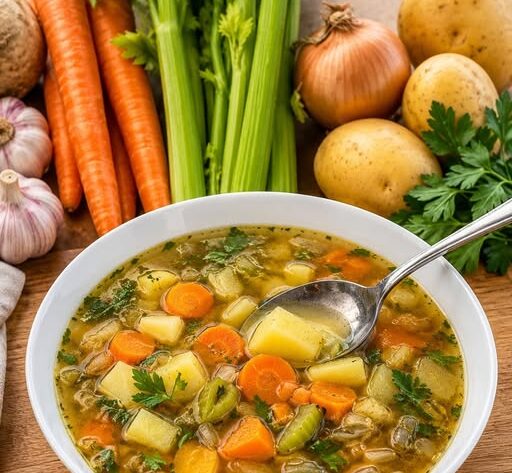
An anti-inflammatory vegetable soup is a wonderful way to nourish your body with wholesome ingredients, enjoy a comforting meal, and add more vegetables to your everyday diet. Made with colorful vegetables, fresh herbs, warming spices, garlic, ginger, and healthy fats, this soup is both delicious and satisfying.
Inflammation is a natural process through which the body responds to injury, infection, and other forms of stress. However, persistent low-grade inflammation can be associated with several long-term health concerns. A balanced eating pattern rich in vegetables, fruits, legumes, whole grains, nuts, seeds, and healthy fats may help support the body’s natural inflammatory balance.
This homemade vegetable soup brings many of these nourishing ingredients together in one pot. Instead of relying on heavy cream, excessive butter, processed seasonings, or artificial flavor enhancers, it uses fresh vegetables and aromatic ingredients to create a naturally rich and comforting broth.
The beauty of this recipe is its flexibility. You can prepare it for lunch, serve it as a light dinner, enjoy it during colder weather, or make a large batch for convenient meals throughout the week.
It is also suitable for people who want to increase their vegetable intake without making their meals complicated. Every spoonful provides a combination of different textures, natural flavors, and valuable nutrients.
The recipe is inspired by Mediterranean-style cooking, where vegetables, olive oil, garlic, herbs, beans, and spices are commonly used to create satisfying meals.
Let’s explore how to prepare this nourishing anti-inflammatory vegetable soup from scratch.
1. Why Choose Anti-Inflammatory Vegetable Soup?
Vegetable soup is one of the easiest ways to include several nutritious ingredients in a single meal.
Rather than depending on one particular vegetable or supplement, this recipe combines different plant foods to provide a wider variety of nutrients.
Some ingredients contribute vitamin C, others provide beta-carotene, fiber, potassium, or beneficial plant compounds. Garlic, ginger, turmeric, and herbs also contribute distinctive natural compounds that make the soup flavorful.
Here are some reasons to include this soup in a balanced eating routine.
Rich in colorful vegetables
Colorful vegetables contain different naturally occurring plant compounds.
For example:
- Carrots provide beta-carotene, which the body can convert into vitamin A.
- Tomatoes contain lycopene and vitamin C.
- Spinach provides folate, vitamin K, and other nutrients.
- Broccoli contains vitamin C, fiber, and glucosinolates.
- Bell peppers contribute vitamin C and carotenoids.
- Onions contain naturally occurring flavonoids.
Eating a variety of vegetables is generally more beneficial than relying on just one or two types.
Contains warming spices
Ginger and turmeric are two particularly interesting ingredients.
Ginger contains gingerols, naturally occurring compounds studied for their potential anti-inflammatory properties.
Turmeric contains curcumin, a plant compound that has been widely investigated for its biological effects.
Although adding these spices to soup does not make it a medical treatment, they are excellent ingredients for creating a flavorful, nutrient-rich meal.
Provides dietary fiber
Vegetables, beans, and other plant ingredients contribute dietary fiber.
Fiber supports digestive health, helps maintain bowel regularity, and provides nourishment for beneficial gut bacteria.
Including fiber-rich meals regularly can be an important part of maintaining overall health.
Naturally satisfying
A bowl of vegetable soup can be surprisingly filling, especially when it includes beans, lentils, and a variety of vegetables.
These ingredients provide fiber and some plant-based protein, helping create a more balanced meal.
Easy to customize
You can adjust the vegetables according to availability, season, personal preferences, and dietary requirements.
If you cannot find broccoli, use cauliflower. If fresh spinach is unavailable, use another leafy green. If you prefer a thicker soup, add more beans or blend a portion of the cooked vegetables.
This flexibility makes the recipe practical for everyday cooking.
2. Preparation and Cooking Information
Before beginning, review the following recipe details.
| Recipe detail | Information |
|---|---|
| Recipe name | Anti-Inflammatory Vegetable Soup |
| Cuisine | Mediterranean-inspired |
| Preparation time | 20 minutes |
| Cooking time | 35–40 minutes |
| Total time | Approximately 60 minutes |
| Servings | 6 |
| Difficulty | Easy |
| Cooking method | Stovetop |
| Main ingredients | Fresh vegetables, herbs, spices, beans |
| Flavor | Savory, aromatic, mildly spicy |
| Texture | Chunky and naturally hearty |
| Dietary style | Plant-based, dairy-free, gluten-free when using suitable broth |
The recipe makes approximately six generous servings, depending on portion size.
3. Ingredients for Anti-Inflammatory Vegetable Soup
The ingredients below are selected to create a balanced combination of flavor, texture, and nutritional variety.
Fresh vegetables
1. Carrots – 2 medium
Carrots provide natural sweetness and a beautiful orange color. They contain beta-carotene, which is converted into vitamin A in the body.
Peel the carrots if desired and cut them into small, evenly sized cubes.
2. Broccoli – 1 cup
Broccoli adds texture, color, and fiber. It also provides vitamin C and naturally occurring plant compounds called glucosinolates.
Wash thoroughly and divide into small florets.
3. Cauliflower – 1 cup
Cauliflower has a mild flavor that blends beautifully with the other ingredients. It also provides fiber, vitamin C, and several plant nutrients.
Cut it into small florets so that it cooks evenly.
4. Spinach – 2 packed cups
Spinach adds freshness and a vibrant green color.
It contains folate, vitamin K, and other valuable nutrients.
Fresh spinach is ideal, but frozen spinach can also be used.
5. Red bell pepper – 1 medium
Red bell pepper contributes sweetness and a slightly fruity flavor.
It is also an excellent source of vitamin C.
Remove the seeds and chop into small pieces.
6. Zucchini – 1 medium
Zucchini provides a delicate flavor and soft texture.
It contains water, fiber, and several vitamins and minerals.
Cut into medium-sized cubes.
7. Tomatoes – 2 medium
Fresh tomatoes help create a naturally flavorful broth.
They contain lycopene, a carotenoid associated with antioxidant activity.
Chop them into small pieces.
8. Onion – 1 medium
Onion provides the foundation of flavor for the soup.
It contains naturally occurring flavonoids, including quercetin.
Finely chop before cooking.
9. Celery – 2 stalks
Celery contributes a refreshing, slightly savory taste.
Chop into small pieces.
Aromatic ingredients
10. Garlic – 4 cloves
Garlic adds a deep savory flavor.
It contains sulfur-containing compounds, including allicin-related compounds formed when garlic is crushed or chopped.
Finely mince the garlic and allow it to rest for a few minutes before cooking.
11. Fresh ginger – 1 tablespoon
Ginger provides warmth and a pleasant spicy aroma.
Fresh ginger is preferable for this recipe because it contributes a bright, slightly citrus-like flavor.
Peel and finely grate it.
12. Turmeric powder – 1 teaspoon
Turmeric gives the soup a beautiful golden color.
It contains curcumin, a compound studied for its potential anti-inflammatory properties.
Fresh turmeric can also be used if available.
Plant-based protein and fiber
13. Cooked chickpeas – 1 cup
Chickpeas add protein, fiber, and a creamy texture.
They also make the soup more satisfying.
You can use homemade boiled chickpeas or rinsed canned chickpeas.
14. Cooked lentils – ½ cup
Lentils are an excellent source of plant-based protein, dietary fiber, iron, and folate.
Brown or green lentils work particularly well.
They add body to the broth without making it overly heavy.
Liquid ingredients
15. Vegetable broth – 6 cups
Use a low-sodium vegetable broth whenever possible.
This creates the base of the soup and helps the ingredients cook evenly.
You can also use homemade vegetable stock or plain water with appropriate seasoning.
Healthy fats
16. Extra virgin olive oil – 2 tablespoons
Olive oil is a key ingredient in Mediterranean-style cooking.
It provides monounsaturated fats and naturally occurring polyphenols.
It also helps release the flavor of garlic, onion, and spices.
Herbs and seasonings
17. Black pepper – ½ teaspoon
Black pepper adds gentle heat and complements turmeric.
18. Ground cumin – ½ teaspoon
Cumin gives the soup a warm, earthy flavor.
19. Dried oregano – 1 teaspoon
Oregano adds an aromatic Mediterranean flavor.
20. Dried thyme – ½ teaspoon
Thyme contributes a pleasant herbal aroma.
21. Sea salt – to taste
Add salt gradually, particularly if your vegetable broth already contains sodium.
22. Fresh lemon juice – 1 tablespoon
Lemon juice brightens the flavor and adds freshness.
It also contributes vitamin C.
23. Fresh parsley – 2 tablespoons
Fresh parsley adds color and a clean herbal taste.
Chop it finely and add it toward the end of cooking.
4. Step-by-Step Instructions for Making the Soup
The secret to excellent vegetable soup is building flavor gradually.
Instead of adding everything to the pot at once, cook the aromatic ingredients first, add the vegetables in stages, and allow the broth to develop its flavor.
Step 1: Prepare all the vegetables
Start by washing all the vegetables thoroughly under clean running water.
Peel the carrots if necessary, remove the outer skin of the onion, and peel the garlic and ginger.
Cut the carrots, celery, zucchini, and bell pepper into small, evenly sized pieces.
Divide the broccoli and cauliflower into bite-sized florets.
Chop the tomatoes and spinach.
Keep the vegetables in separate bowls or groups according to their cooking times.
This preparation makes the cooking process easier and prevents delicate vegetables from becoming overcooked.
Step 2: Heat the olive oil
Place a large soup pot over medium heat.
Add two tablespoons of extra virgin olive oil.
Allow the oil to warm gently.
Avoid overheating it or allowing it to smoke.
Olive oil provides a pleasant richness and helps distribute the flavors of the aromatic ingredients throughout the soup.
Step 3: Cook the onions
Add the chopped onion to the warm oil.
Cook for approximately four to five minutes, stirring occasionally.
The onion should become soft and translucent.
There is no need to brown it heavily.
Cooking the onion slowly releases its natural sweetness and creates a flavorful foundation for the soup.
Step 4: Add garlic and ginger
Add the minced garlic and grated ginger.
Stir gently for approximately 30–60 seconds.
The kitchen should begin to smell fragrant.
Avoid cooking garlic for too long because burnt garlic can develop an unpleasant bitter taste.
The combination of garlic and ginger gives this vegetable soup its distinctive aromatic character.
Step 5: Add turmeric, black pepper, and cumin
Add one teaspoon of turmeric powder, half a teaspoon of black pepper, and half a teaspoon of ground cumin.
Stir continuously for approximately 30 seconds.
This brief cooking process allows the spices to mix with the olive oil and aromatic ingredients.
The turmeric will give the mixture a golden appearance.
The black pepper adds a gentle warmth, while cumin creates a deeper savory flavor.
Step 6: Add carrots and celery
Add the chopped carrots and celery.
Stir well so that the vegetables are coated with the aromatic oil and spices.
Cook for approximately three to four minutes.
Carrots and celery take slightly longer to soften than spinach and zucchini, so adding them earlier helps create an even texture.
Step 7: Add tomatoes and bell pepper
Add the chopped tomatoes and red bell pepper.
Stir everything together.
Cook for approximately three minutes.
The tomatoes will begin releasing their natural juices, creating a flavorful vegetable mixture.
The bell pepper contributes sweetness, while tomatoes add mild acidity.
This combination creates a delicious base without needing cream or artificial flavor enhancers.
Step 8: Pour in the vegetable broth
Carefully add six cups of vegetable broth.
Stir thoroughly to combine all the ingredients.
Increase the heat slightly and bring the mixture to a gentle boil.
Once it begins boiling, reduce the heat to low or medium-low.
Cover the pot partially and simmer for approximately 10 minutes.
The carrots and celery should begin to soften.
Step 9: Add broccoli and cauliflower
Add the broccoli and cauliflower florets.
Stir gently.
Continue simmering for approximately seven to eight minutes.
Avoid cooking these vegetables for too long.
Overcooking can make them mushy and reduce the pleasant texture of the soup.
The ideal result is tender vegetables that still hold their shape.
Step 10: Add zucchini
Add the chopped zucchini.
Continue cooking for approximately four to five minutes.
Zucchini cooks relatively quickly, so it is best added after the firmer vegetables.
At this stage, the soup should have a colorful appearance and a fragrant vegetable broth.
Step 11: Add chickpeas and lentils
Add one cup of cooked chickpeas and half a cup of cooked lentils.
Stir gently to distribute them throughout the pot.
Allow everything to simmer for approximately five minutes.
The chickpeas and lentils provide additional fiber and plant-based protein.
They also make the soup more substantial, turning it into a satisfying main meal rather than simply a light vegetable broth.
If you prefer a thinner soup, add a little extra broth.
Step 12: Add spinach
Add two packed cups of fresh spinach.
Stir gently.
The spinach will wilt within approximately one to two minutes.
Avoid prolonged cooking because spinach becomes very soft when exposed to heat for too long.
If you are using frozen spinach, thaw it first or add it according to the package instructions.
Step 13: Add herbs and final seasonings
Add the dried oregano and thyme.
Season with sea salt according to your taste.
Stir everything together.
Taste the broth and adjust the seasoning if necessary.
If you prefer a little more warmth, add a small pinch of black pepper.
If you enjoy a slightly earthy flavor, add a little extra cumin.
Remember that the soup should taste balanced rather than dominated by one spice.
Step 14: Finish with lemon juice and parsley
Turn off the heat.
Add one tablespoon of fresh lemon juice.
Sprinkle in the chopped parsley.
Stir gently.
Lemon juice gives the soup a refreshing finish and balances the natural sweetness of carrots, onions, and bell peppers.
Adding parsley at the end helps preserve its fresh herbal flavor.
Step 15: Allow the soup to rest
Let the soup rest for approximately five minutes before serving.
This allows the flavors to settle and blend.
Taste one final time.
If the broth is too thick, add a little warm vegetable stock or water.
If it is too thin, simmer uncovered for a few additional minutes.
Your homemade anti-inflammatory vegetable soup is now ready.
5. How to Make the Soup More Flavorful
A nutritious soup should also be enjoyable.
The following cooking techniques can improve its flavor without requiring excessive salt, butter, or processed ingredients.
Use fresh aromatics
Fresh garlic and ginger generally provide a more vibrant flavor than dried alternatives.
Grate the ginger finely and mince the garlic so their flavors distribute evenly.
Do not rush the onions
Onions are an important part of the soup’s flavor foundation.
Cooking them slowly allows their natural sweetness to develop.
This creates a richer broth.
Use homemade vegetable broth
Homemade broth can provide excellent flavor without unnecessary additives.
You can prepare it using vegetable scraps such as carrot ends, celery leaves, onion skins, and herb stems, provided they are clean and suitable for cooking.
Simmer them in water, strain, and refrigerate the resulting stock.
Add lemon at the end
Lemon juice brightens the entire dish.
Adding it after cooking helps maintain its fresh taste.
Avoid overcooking vegetables
Different vegetables require different cooking times.
Adding them in stages helps preserve their natural texture.
This is especially important for spinach, zucchini, broccoli, and cauliflower.
6. Nutritional Benefits of the Main Ingredients
The ingredients in this recipe provide a range of nutrients that support general health.
Turmeric
Turmeric contains curcumin, a naturally occurring compound studied for its antioxidant and anti-inflammatory activity.
It has been investigated in various health conditions, but the amount used in ordinary cooking is not equivalent to a standardized curcumin supplement.
Using turmeric as a spice is a simple way to introduce additional flavor and plant compounds into everyday meals.
Ginger
Ginger contains naturally occurring compounds called gingerols and shogaols.
These compounds have been investigated for their potential effects on inflammatory pathways.
Fresh ginger also helps create a pleasant warming flavor.
Garlic
Garlic contains sulfur-containing compounds that have been studied for various biological effects.
It adds depth to the soup and makes it flavorful without relying heavily on salt.
Broccoli
Broccoli contains vitamin C, folate, fiber, and glucosinolates.
These plant compounds are part of the reason cruciferous vegetables are frequently included in healthy dietary patterns.
Spinach
Spinach provides folate, vitamin K, carotenoids, and other nutrients.
Its soft texture makes it easy to incorporate into soups, stews, and other meals.
Tomatoes
Tomatoes provide vitamin C and lycopene.
Cooking tomatoes can increase the availability of lycopene, particularly when consumed with a little fat such as olive oil.
Carrots
Carrots are a source of beta-carotene.
The body uses beta-carotene to produce vitamin A, which contributes to normal vision and immune function.
Chickpeas
Chickpeas provide plant protein, fiber, iron, and folate.
They also add a creamy texture that makes the soup more filling.
Lentils
Lentils are rich in fiber and provide plant-based protein.
They also contribute iron, folate, and other minerals.
Combining legumes with vegetables creates a more nutritionally substantial meal.
Extra virgin olive oil
Olive oil provides monounsaturated fat and polyphenols.
It is commonly used in Mediterranean-style eating patterns, which have been studied extensively for their association with cardiovascular health.
7. Healthy Variations of Anti-Inflammatory Vegetable Soup
One of the best things about this recipe is that you can modify it according to your taste and nutritional preferences.
Creamy anti-inflammatory vegetable soup
If you prefer creamy soup, you do not need to add heavy cream.
Instead, remove approximately two cups of the cooked soup and blend them until smooth.
Return the blended mixture to the pot.
The blended vegetables and chickpeas will naturally thicken the broth.
You can also add half a cup of unsweetened coconut milk if you enjoy a mild coconut flavor.
Protein-rich vegetable soup
For additional plant protein, increase the chickpeas to one and a half cups.
You can also add another half cup of cooked lentils.
This variation is particularly suitable when you want the soup to serve as a complete lunch or dinner.
Spicy ginger vegetable soup
If you enjoy spicy food, add a small amount of fresh chili or red pepper flakes.
You can also increase the fresh ginger slightly.
However, avoid adding too much chili if you have a sensitive stomach.
Mediterranean vegetable soup
For a Mediterranean-inspired version, add:
- Chopped fresh basil.
- A little extra oregano.
- White beans instead of chickpeas.
- Additional tomatoes.
- A little lemon zest.
This variation creates a bright and herbaceous flavor.
Low-sodium vegetable soup
If you need to reduce sodium intake, prepare the soup with homemade unsalted vegetable broth.
Use garlic, ginger, lemon juice, black pepper, cumin, and herbs to create flavor.
Reduce or omit added salt according to your dietary needs.
Extra-fiber vegetable soup
Add additional vegetables such as green beans, cabbage, peas, and mushrooms.
You can also increase the quantity of lentils.
This version is especially useful for people who want to increase their dietary fiber intake gradually.
8. What to Serve with Anti-Inflammatory Vegetable Soup
Although this soup is satisfying on its own, you can serve it with other nutritious foods to create a balanced meal.
Whole-grain bread
A slice of whole-grain bread provides additional fiber and carbohydrates.
You can lightly toast it and serve it alongside the soup.
Brown rice
A small serving of brown rice complements the soup and makes it more substantial.
Quinoa
Quinoa provides additional plant protein and fiber.
It can be cooked separately and added directly to individual bowls.
Fresh salad
A simple salad containing cucumber, tomatoes, lettuce, carrots, and lemon juice pairs beautifully with this soup.
Roasted chickpeas
For extra texture, serve a small portion of roasted chickpeas on the side.
They provide additional protein and fiber.
Grilled chicken or fish
If you do not follow a vegetarian diet, grilled chicken or fish can be served alongside the soup.
Choose simple preparations with herbs, lemon, and modest amounts of olive oil.
9. How to Store and Reheat Vegetable Soup
This soup is excellent for meal preparation because it can be stored and reheated easily.
Refrigeration
Allow the soup to cool slightly before transferring it into clean, airtight containers.
Refrigerate within two hours of cooking.
Store at or below 4°C.
For best quality, consume within three to four days.
Freezing
You can freeze the soup in individual portions.
Use freezer-safe containers and leave a little space at the top because liquids expand when frozen.
Label each container with the preparation date.
For best quality, use within approximately two to three months.
The texture of zucchini and leafy greens may change slightly after freezing, but the soup will remain suitable if handled and stored properly.
Reheating
Transfer the required portion into a saucepan.
Heat gently until steaming hot throughout.
Stir occasionally to ensure even heating.
If the soup has become too thick, add a little water or vegetable broth.
Avoid repeatedly cooling and reheating the entire batch. Reheat only the portion you intend to eat.
10. Common Mistakes to Avoid
Even a simple vegetable soup can lose its flavor or texture if a few important cooking details are overlooked.
Adding every vegetable at once
Different vegetables have different cooking times.
Adding everything together can result in overcooked spinach and zucchini while carrots remain firm.
Add vegetables in stages.
Using too much turmeric
Turmeric has a strong earthy flavor.
Too much can make the soup bitter.
One teaspoon is sufficient for this recipe.
Overcooking broccoli
Broccoli becomes mushy when cooked for too long.
Add it during the later stages of cooking.
Adding too much salt
Commercial vegetable broth may already contain sodium.
Taste the soup before adding additional salt.
Skipping lemon juice
A small amount of lemon juice helps balance the natural sweetness of the vegetables.
It gives the soup a fresher, brighter flavor.
Using excessive oil
Although olive oil can be part of a healthy diet, large quantities are unnecessary.
Two tablespoons are enough for the entire recipe.
Blending the entire soup unnecessarily
A chunky soup provides a pleasant variety of textures.
If you prefer a creamy consistency, blend only a portion of the soup.
11. Is Anti-Inflammatory Vegetable Soup Good for Everyday Eating?
Yes, this soup can be included regularly as part of a balanced eating pattern.
It provides a convenient way to consume vegetables, legumes, herbs, and healthy fats.
However, no single food can eliminate inflammation or cure an inflammatory disease.
The overall quality of your diet matters much more than any individual recipe.
For general health, try to include:
- A variety of colorful vegetables.
- Fresh fruits.
- Beans, chickpeas, and lentils.
- Whole grains.
- Nuts and seeds.
- Healthy fats such as olive oil.
- Fish, if included in your diet.
- Adequate water and other unsweetened fluids.
It is also helpful to limit frequent consumption of highly processed foods, excessive added sugar, and foods containing large amounts of sodium.
Regular physical activity, adequate sleep, and stress management are also important parts of a healthy lifestyle.
If you have a diagnosed inflammatory condition, this soup can complement your dietary routine, but it should not replace prescribed treatment or medical advice.
12. Frequently Asked Questions
1. Can I drink anti-inflammatory vegetable soup every day?
You can enjoy vegetable soup regularly if it fits your nutritional needs.
However, variety is important. Rotate vegetables, legumes, and other protein sources to obtain a wider range of nutrients.
2. Can I make this soup without olive oil?
Yes.
You can sauté the vegetables using a small amount of water or vegetable broth instead.
However, a modest amount of olive oil helps develop flavor and provides healthy fats.
3. Can I use frozen vegetables?
Absolutely.
Frozen broccoli, spinach, peas, cauliflower, and mixed vegetables can be used.
Add them according to their cooking requirements and avoid overcooking.
4. Is this recipe suitable for weight management?
This soup can be a helpful addition to a balanced weight-management diet because it contains vegetables, fiber, and plant-based protein.
However, weight management depends on overall food intake, activity, sleep, and other individual factors.
5. Can I make this soup without chickpeas?
Yes.
You can replace chickpeas with white beans, kidney beans, or additional lentils.
If you prefer a lighter soup, you can simply omit them.
6. Can I add potatoes?
Yes.
One small potato can be added with the carrots.
Potatoes provide carbohydrates and help create a thicker texture.
7. Is turmeric necessary?
No.
Turmeric is included for its distinctive flavor, color, and naturally occurring compounds.
You can omit it if you do not enjoy its taste.
8. Can I use fresh turmeric instead of turmeric powder?
Yes.
Use approximately one tablespoon of finely grated fresh turmeric as a starting point, adjusting according to taste.
Be careful because turmeric can stain hands, clothing, and kitchen surfaces.
9. Can I prepare this soup in advance?
Yes.
You can prepare it one day ahead and refrigerate it.
The flavors often become more developed after resting overnight.
10. Can I make this soup suitable for children?
Yes.
Reduce or omit black pepper and chili.
Cut the vegetables into appropriately small pieces and cook them until tender.
11. Is this soup gluten-free?
The ingredients listed are naturally gluten-free.
However, check the vegetable broth and packaged seasonings to ensure they do not contain gluten-containing ingredients or cross-contamination.
12. Can I make the soup without tomatoes?
Yes.
Replace the tomatoes with additional carrots, zucchini, or cauliflower.
You can add a little lemon juice at the end to provide brightness.
13. Does cooking destroy all the nutrients in vegetables?
No.
Cooking changes the nutrient content of vegetables, but it does not destroy all their nutrients.
Some water-soluble vitamins can be reduced by prolonged cooking, while cooking can improve the availability of certain compounds, such as lycopene in tomatoes.
Using the cooking liquid in the soup also means that many nutrients released into the broth are still consumed
Nutrition Information – Anti-Inflammatory Vegetable Soup
Estimated nutritional values per serving, based on 6 servings from the complete recipe.
| Nutrient | Amount per serving |
|---|---|
| Calories | 185 kcal |
| Total fat | 6.5 g |
| Saturated fat | 0.9 g |
| Monounsaturated fat | 3.8 g |
| Total carbohydrates | 25 g |
| Dietary fiber | 7 g |
| Total sugars | 7 g |
| Protein | 8 g |
| Sodium | 350 mg |
| Potassium | 650 mg |
| Calcium | 75 mg |
| Iron | 2.5 mg |
| Magnesium | 55 mg |
| Vitamin A | 450 mcg RAE |
| Vitamin C | 55 mg |
| Vitamin K | 100 mcg |
| Folate | 90 mcg |