 admin1
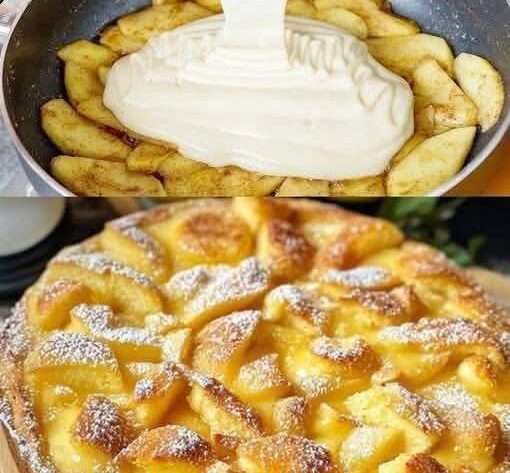
 Apple pie has always been one of the most comforting desserts in home baking. The combination of soft caramelized apples, buttery pastry, warm cinnamon spice, and a crispy golden crust creates a dessert that feels nostalgic and satisfying in every bite. This skillet apple pie recipe takes the classic dessert to another level by using stovetop-style baking techniques that create a beautifully cooked filling and perfectly crisp texture.
Unlike ordinary fruit pies, skillet apple pie develops deeper flavor because the heat is distributed directly through the pan, allowing the apples to soften evenly while the crust becomes deliciously golden. This method creates bakery-style results using simple pantry ingredients and traditional baking techniques.
Whether you are preparing dessert for a holiday gathering, weekend family dinner, Thanksgiving feast, or cozy evening treat, this homemade apple pie recipe delivers rich flavor, incredible aroma, and a rustic presentation everyone will love.
Part 1: Complete Guide to Making the Best Skillet Apple Pie at Home
Why Skillet Apple Pie Has Become a Popular Homemade Dessert
Traditional apple pie has remained one of the most searched dessert recipes for decades, but skillet apple pie has recently become even more popular because of its rustic appearance and enhanced flavor. Cooking in a skillet creates concentrated heat that helps develop a richer apple filling while maintaining a crisp crust.
Many bakers prefer skillet baking because it produces a more even texture compared to standard pie dishes. The apples become tender without turning mushy, while the crust develops a beautiful golden finish with a slight buttery crunch.
Another reason skillet apple pie is trending among dessert lovers is its homemade appearance. The rustic edges, bubbling fruit filling, and caramelized surface make it look both traditional and artisanal.
This recipe combines old-fashioned comfort food with modern baking techniques to create an unforgettable dessert experience.
The Secret Behind Rich Apple Pie Flavor
The flavor of homemade apple pie depends heavily on the balance between sweet fruit, warm spices, buttery crust, and caramelized sugar.
Fresh apples naturally release juice during cooking, and when paired with cinnamon, nutmeg, vanilla, and brown sugar, they create a filling that tastes deep, warm, and comforting.
The skillet baking process intensifies these flavors because the direct heat encourages slight caramelization around the apples and crust edges. This creates a richer dessert with bakery-style flavor.
Adding lemon juice is another important detail because it balances sweetness and enhances the natural apple taste without making the pie sour.
Choosing the Right Apples for Homemade Pie
One of the biggest secrets to making the perfect apple pie is selecting apples that maintain their texture during cooking.
The best apples for baking include:
- Granny Smith apples
- Honeycrisp apples
- Fuji apples
- Braeburn apples
- Golden Delicious apples
Using a combination of tart and sweet apples creates a balanced flavor profile. Tart apples prevent the filling from becoming overly sugary, while sweeter apples provide natural fruit flavor.
Firm apples are especially important for skillet baking because they hold their shape better under concentrated heat.
Fresh seasonal apples also improve aroma, texture, and overall quality.
Why Cinnamon Is Essential in Apple Pie
Ground cinnamon is the signature spice that gives apple pie its classic aroma and comforting flavor. Without cinnamon, the dessert would lose much of its warmth and traditional character.
Nutmeg works alongside cinnamon to create depth and complexity, while vanilla extract softens the spice notes and enhances sweetness naturally.
Some bakers add cloves or allspice, but using balanced amounts is important because overpowering spices can mask the apple flavor.
The combination of apples, cinnamon, butter, and sugar creates the iconic scent associated with homemade holiday desserts.
How Skillet Baking Improves Texture
Skillet baking changes the texture of apple pie in several important ways.
The heavy pan retains heat longer than a standard pie dish, which allows:
- Better crust browning
- More even filling consistency
- Improved caramelization
- Crispier bottom crust
Because the skillet distributes heat efficiently, the apples cook evenly without becoming watery.
This method also creates a slight crispness around the edges that many dessert lovers prefer over softer pie textures.
The rustic presentation adds visual appeal while delivering a homemade bakery-style appearance.
Understanding the Science Behind Stovetop Pie Baking
Skillet baking works because it combines multiple cooking methods simultaneously.
Heat from the skillet transfers directly into the crust through conduction, while steam trapped beneath the lid or inside the pastry creates convection heat.
This process cooks the apples gently while crisping the pastry exterior.
As the butter melts into the dough, steam pockets form between layers, creating flaky texture. At the same time, sugars begin caramelizing around the fruit filling, producing rich flavor and golden color.
This balance of moisture and heat is why skillet-baked desserts often taste deeper and more flavorful than standard oven pies.
The Importance of a Flaky Butter Crust
A successful apple pie depends heavily on the quality of the crust.
The ideal pie crust should be:
- Buttery
- Tender
- Flaky
- Crisp on the outside
- Strong enough to support the filling
Cold butter is the key to creating flaky layers because it melts during baking and releases steam throughout the dough.
Overmixing should always be avoided because it develops too much gluten and creates a tough crust instead of a delicate texture.
Chilling the dough before rolling also helps maintain structure and prevents shrinking during baking.
How to Prevent Soggy Pie Crust
One of the most common pie problems is a soggy bottom crust caused by excess fruit moisture.
Several techniques help avoid this issue:
- Use firm apples
- Add flour as a thickener
- Avoid overly juicy fruit
- Cook filling properly
- Let pie cool completely before slicing
Skillet baking naturally helps reduce sogginess because the heated pan cooks the bottom crust more efficiently.
Cooling is another important step because the filling thickens as it rests.
Why Brown Sugar Enhances Apple Pie
Brown sugar adds more than sweetness to apple pie. Its molasses content creates deeper caramel flavor and improves richness.
When combined with butter and cinnamon, brown sugar develops a warm taste similar to caramel sauce.
This ingredient also helps create the glossy texture often seen in bakery-style fruit pies.
Using both granulated sugar and brown sugar provides balanced sweetness and complexity.
Tips for Bakery-Style Apple Pie at Home
Professional bakers follow several small techniques that dramatically improve pie quality.
Slice Apples Evenly
Uniform apple slices cook consistently and prevent uneven texture.
Keep Dough Chilled
Cold dough creates flakier pastry.
Vent the Top Crust
Steam vents prevent the filling from overflowing.
Brush with Egg Wash
Egg wash produces a shiny golden surface.
Bake Slowly
Lower temperatures after initial baking help cook filling thoroughly.
These details can transform a basic pie into a professional-quality dessert.
Why Homemade Apple Pie Is Perfect for Holidays
Apple pie remains one of the most iconic holiday desserts because it represents comfort, family traditions, and homemade warmth.
It is commonly served during:
- Thanksgiving dinners
- Christmas celebrations
- Fall gatherings
- Weekend family meals
- Special occasions
The scent of apples and cinnamon baking fills the home with a cozy atmosphere that instantly feels festive and welcoming.
Warm apple pie served with vanilla ice cream continues to be one of the most loved dessert combinations worldwide.
Delicious Ways to Serve Apple Pie
There are many ways to enjoy homemade skillet apple pie.
Popular serving ideas include:
- Warm with vanilla ice cream
- With fresh whipped cream
- Drizzled with caramel sauce
- Served alongside coffee
- Topped with powdered sugar
The contrast between warm pie and cold ice cream creates a classic dessert experience.
Some people even enjoy chilled apple pie for breakfast-style treats.
How to Store Apple Pie Properly
Fresh apple pie can stay at room temperature for up to two days when covered.
For longer storage:
- Refrigerate for up to 5 days
- Freeze for up to 3 months
To reheat:
- Oven reheating keeps crust crisp
- Microwave reheating is faster but softens pastry
Proper storage helps maintain texture and flavor.
Creative Apple Pie Variations
Although traditional apple pie is timeless, many bakers enjoy creative variations.
Caramel Apple Pie
Add caramel sauce for richer sweetness.
Dutch Apple Pie
Replace top crust with buttery crumb topping.
Maple Apple Pie
Use maple syrup for deeper flavor.
Rustic Apple Galette
Create a free-form version without a pie pan.
Cheddar Crust Apple Pie
Incorporate sharp cheddar cheese into the crust for savory balance.
These adaptations preserve the classic essence while offering unique flavor twists.
Nutritional Benefits of Apples
Apples contain several beneficial nutrients including:
- Fiber
- Vitamin C
- Antioxidants
- Natural fruit sugars
Using fresh apples instead of canned filling creates a more natural dessert with authentic fruit flavor.
Reducing artificial ingredients also improves overall quality.
Culinary Essay: Why Skillet Baking Creates Better Results
Skillet baking works exceptionally well because it combines conduction and convection cooking methods simultaneously. The pan transfers direct heat into the crust, while trapped steam circulates heat around the filling.
This dual cooking process improves both texture and flavor.
The crust becomes crisp and golden because the skillet maintains stable heat. Meanwhile, the apples soften evenly while retaining their shape.
Another major benefit is moisture control. Traditional pies can sometimes develop soggy bottoms because heat reaches the crust more slowly. In a skillet, the heated surface cooks the base immediately, helping maintain crispness.
Caramelization also occurs more effectively in skillet baking. Sugars around the apples and pastry edges darken slightly, producing richer flavor compounds and deeper aroma.
This technique gives homemade desserts a rustic bakery-style finish that feels both comforting and professional.
Part 2: Easy Skillet Apple Pie Recipe
Ingredients for the Crust
- 2 ½ cups all-purpose flour
- 1 cup cold unsalted butter, cubed
- 1 teaspoon salt
- 1 tablespoon granulated sugar
- 6–8 tablespoons ice-cold water
Ingredients for the Apple Filling
- 6–8 fresh apples, peeled and thinly sliced
- ¾ cup white sugar
- ¼ cup brown sugar
- 2 teaspoons ground cinnamon
- ¼ teaspoon ground nutmeg
- 2 tablespoons all-purpose flour
- 1 tablespoon fresh lemon juice
- 1 teaspoon pure vanilla extract
- 2 tablespoons unsalted butter
Optional Topping
- 1 egg mixed with 1 tablespoon milk
- Coarse sugar for garnish
Simple Step-by-Step Instructions
Step 1: Prepare the Dough
In a large mixing bowl, combine flour, sugar, and salt. Add cold butter cubes and mix until crumbly. Gradually add ice water until dough forms. Divide into two portions, wrap tightly, and chill for 1 hour.
Step 2: Prepare the Apple Mixture
In another bowl, combine sliced apples, white sugar, brown sugar, cinnamon, nutmeg, flour, lemon juice, and vanilla extract. Toss until evenly coated.
Step 3: Roll Out the Pie Dough
Roll out one dough portion and place it into a skillet or pie pan. Press gently into the bottom and sides.
Step 4: Add the Filling
Pour apple filling into the crust and spread evenly. Dot the top with small butter pieces.
Step 5: Cover with Top Crust
Roll out remaining dough and place over the apples. Seal edges and cut small slits for steam ventilation.
Step 6: Apply Egg Wash
Brush the top crust with egg wash and sprinkle with coarse sugar if desired.
Step 7: Bake Until Golden
Bake at 425°F (220°C) for 20 minutes. Reduce heat to 375°F (190°C) and continue baking for 35–40 minutes until crust is golden and filling bubbles.
Step 8: Cool Before Serving
Allow pie to cool completely before slicing. Serve warm with vanilla ice cream or whipped cream.