 admin1
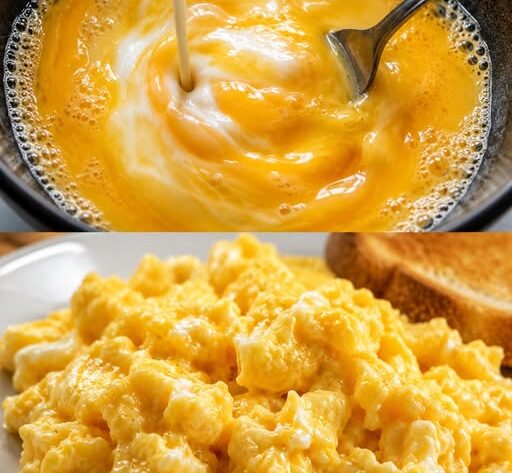
 Scrambled eggs are one of the most loved breakfast recipes around the world. They are quick, comforting, protein-rich, and incredibly easy to prepare. Yet, many people struggle to make them perfectly soft and creamy. Instead of light and silky eggs, they often end up with dry, rubbery, or bland results. The secret to restaurant-style scrambled eggs is not complicated—it simply comes down to technique, temperature, and timing.
If you have ever wondered how cafés create buttery scrambled eggs with a rich texture and delicate flavor, this detailed guide will help you master the process at home. Whether you are preparing a healthy breakfast, a high-protein brunch, or a simple comfort meal, these foolproof scrambled eggs will become your go-to recipe.
Soft scrambled eggs are all about slow cooking and gentle stirring. Unlike fried eggs or omelets, scrambled eggs need patience. Cooking them too quickly over high heat can ruin the texture instantly. By using low heat, fresh ingredients, and a few professional cooking tricks, you can create fluffy scrambled eggs that taste luxurious every single time.
Why Scrambled Eggs Are a Breakfast Favorite
Eggs are one of the most versatile ingredients found in almost every kitchen. They are affordable, nutritious, and packed with protein, vitamins, and healthy fats. Scrambled eggs are especially popular because they can be customized in countless ways. You can enjoy them plain, cheesy, spicy, herby, or paired with toast, avocado, or breakfast potatoes.
Another reason scrambled eggs remain a breakfast classic is their speed. A delicious plate can be ready in less than ten minutes, making it perfect for busy mornings. Despite being simple, scrambled eggs can feel gourmet when cooked correctly.
Creamy scrambled eggs also fit into many healthy eating plans, including low-carb, keto, and high-protein diets. They are filling without being heavy and provide lasting energy throughout the day.
Choosing the Best Eggs for Scrambling
The quality of your eggs matters more than most people realize. Fresh eggs produce better flavor, brighter color, and a softer texture. When eggs are fresh, the yolks are richer and the whites blend smoothly during whisking.
Organic or farm-fresh eggs are excellent options because they often have deeper flavor and vibrant yolks. However, regular store-bought eggs also work beautifully if they are fresh.
When selecting eggs:
- Check the expiration date carefully.
- Avoid cracked shells.
- Store eggs properly in the refrigerator.
- Bring eggs slightly closer to room temperature before cooking for even results.
Fresh eggs make a noticeable difference in achieving creamy scrambled eggs with a delicate texture.
The Secret Behind Fluffy Scrambled Eggs
Many people think scrambled eggs require fancy ingredients, but technique is actually the key. The fluffiness comes from incorporating air into the eggs while whisking. Beating the eggs thoroughly creates tiny air bubbles that expand during cooking.
Another secret is low heat. High heat forces moisture out of the eggs too quickly, causing dryness and toughness. Slow cooking allows the eggs to stay moist and tender.
Butter also plays an important role. Unlike cooking oil, butter adds richness and enhances the natural flavor of eggs. It helps create the silky texture associated with diner-style scrambled eggs.
Finally, removing the eggs from the pan before they look fully done is one of the biggest professional cooking tricks. Residual heat continues cooking the eggs even after the pan leaves the stove.
Essential Kitchen Tools for Perfect Eggs
You do not need expensive cookware to make great scrambled eggs, but a few simple tools help improve the final result.
Nonstick Skillet
A quality nonstick pan prevents sticking and allows gentle stirring without breaking the eggs apart too aggressively.
Silicone Spatula
A silicone spatula is ideal because it glides smoothly across the pan and scrapes the sides effectively.
Mixing Bowl
Use a medium bowl with enough space to whisk the eggs properly.
Whisk or Fork
A whisk creates more air and leads to fluffier eggs, though a fork also works in a pinch.
These simple tools make cooking easier and help achieve soft egg curds.
How Butter Improves Scrambled Eggs
Butter is one of the most important ingredients in this recipe. It creates richness, prevents sticking, and adds a subtle creamy flavor.
Unsalted butter is often preferred because it allows better control over seasoning. As the butter melts gently in the pan, it coats the surface evenly and protects the eggs from overcooking too quickly.
For extra indulgence, some cooks even stir in a tiny piece of cold butter at the very end for a glossy finish.
Should You Add Milk or Cream?
Adding milk or cream is optional, but many people enjoy the extra softness it provides. A small splash can make the eggs richer and more luxurious.
Heavy cream creates especially creamy scrambled eggs, while whole milk gives a lighter texture. Avoid adding too much liquid because excess moisture can make the eggs watery instead of fluffy.
If you prefer dairy-free eggs, you can skip the milk entirely and still achieve excellent results.
Why Low Heat Matters
One of the biggest mistakes in egg cooking is using high heat. Fast cooking may seem convenient, but it often leads to dry eggs with a rubbery texture.
Low heat allows proteins in the eggs to cook slowly and evenly. This gentle method creates soft curds and preserves moisture.
Professional chefs almost always use lower temperatures for scrambled eggs because it gives them better control over texture.
Patience is the secret ingredient.
The Importance of Constant Stirring
Stirring continuously helps create delicate folds instead of large dry chunks. As the eggs cook, scraping the bottom and sides of the pan prevents sticking and ensures even cooking.
Gentle movement also distributes heat evenly through the eggs. The result is a creamy consistency with soft curds.
Avoid stirring too aggressively, as this can break the eggs into tiny pieces instead of fluffy folds.
Timing Is Everything
Perfect scrambled eggs cook surprisingly fast. Even on low heat, they usually take only a few minutes.
The ideal moment to remove them from the stove is when they still look slightly glossy and soft. They should not appear completely dry in the pan.
Residual heat continues cooking the eggs after removal, helping them finish perfectly without overcooking.
This small timing adjustment creates a dramatic improvement in texture.
When to Season Scrambled Eggs
Many people season eggs before cooking, but adding salt too early can sometimes draw moisture out and create watery eggs.
For the best texture, season after cooking or near the end of the process. Freshly ground black pepper adds warmth and mild spice, while flaky salt enhances flavor beautifully.
You can also experiment with:
- Garlic powder
- Chopped chives
- Paprika
- Fresh parsley
- Dill
- Parmesan cheese
- Cheddar cheese
Simple seasonings can elevate scrambled eggs from basic to gourmet.
Delicious Ways to Serve Scrambled Eggs
Scrambled eggs pair wonderfully with many breakfast and brunch dishes.
Popular serving ideas include:
- Buttered toast
- Croissants
- Avocado toast
- Breakfast sandwiches
- Roasted vegetables
- Crispy hash browns
- Fresh fruit
- Smoked salmon
- Sautéed mushrooms
They are also excellent inside wraps and breakfast burritos.
Common Mistakes to Avoid
Cooking on High Heat
This dries out the eggs quickly and creates a rubbery texture.
Overcooking
Eggs continue cooking after leaving the stove, so remove them slightly early.
Skipping the Whisking Step
Proper whisking introduces air and improves fluffiness.
Using Too Much Liquid
A tiny splash of milk or cream is enough.
Forgetting to Stir
Constant gentle stirring creates soft, creamy curds.
Avoiding these mistakes will instantly improve your scrambled eggs.
Health Benefits of Eggs
Eggs are considered one of the most nutritious breakfast foods available. They are rich in:
- High-quality protein
- Vitamin B12
- Vitamin D
- Healthy fats
- Choline
- Selenium
They help support muscle growth, brain function, and energy levels. Because eggs are naturally satisfying, they can also help reduce unnecessary snacking throughout the day.
Tips for Restaurant-Style Scrambled Eggs
If you want truly luxurious scrambled eggs, try these chef-inspired ideas:
- Use extra butter for richness.
- Stir slowly and consistently.
- Cook over very gentle heat.
- Finish with herbs or cheese.
- Serve immediately while hot and creamy.
Restaurant-quality eggs are all about texture and freshness.
Variations You Can Try
Once you master the classic version, you can experiment with flavors.
Cheesy Scrambled Eggs
Add shredded cheddar, mozzarella, or parmesan.
Herb Scrambled Eggs
Mix in fresh chives, parsley, or dill.
Spicy Scrambled Eggs
Add chili flakes or hot sauce.
Protein-Packed Scramble
Include turkey, chicken sausage, or smoked salmon.
Mediterranean Style
Add spinach, feta cheese, and tomatoes.
These simple upgrades make breakfast more exciting.
Final Thoughts
Making perfect scrambled eggs is easier than it seems. With fresh eggs, low heat, butter, and gentle stirring, you can create soft, creamy eggs every single time. The difference between average eggs and extraordinary eggs comes down to patience and proper technique.
Whether you are cooking a quick weekday breakfast or preparing brunch for family and friends, this easy scrambled eggs recipe delivers delicious results. Once you master the basics, you will never go back to dry or overcooked eggs again.
Enjoy fluffy, buttery scrambled eggs that are rich in flavor, beautifully soft, and worthy of any breakfast table.
Part 2: Easy Creamy Scrambled Eggs Recipe
Ingredients
- 4 fresh eggs
- 1 tablespoon butter
- 2 tablespoons milk or cream (optional for extra creaminess)
- Salt to taste
- Black pepper to taste
- Fresh herbs or grated cheese for garnish (optional)
Simple Cooking Method
1. Beat the Eggs Well
Crack the eggs into a mixing bowl and whisk until smooth and airy. Add milk or cream if using for softer scrambled eggs.
2. Warm the Pan Gently
Place a nonstick skillet over low heat and melt the butter slowly without browning it.
3. Cook the Eggs Slowly
Pour the egg mixture into the pan. Stir gently and continuously using a silicone spatula, scraping the sides and bottom to form soft curds.
4. Remove Before Fully Set
Take the pan off the heat while the eggs still look slightly soft and glossy. Continue stirring briefly as the residual heat finishes cooking them.
5. Season and Serve
Add salt and black pepper after cooking. Garnish with herbs or cheese if desired. Serve immediately while warm and creamy.
Helpful Tips
- Always cook scrambled eggs on low heat.
- Use fresh eggs for the best flavor and texture.
- Butter creates richer and creamier eggs than oil.
- Avoid overcooking to keep the eggs moist and fluffy.