 admin1
 Part 1: Complete Guide to Homemade Coconut Cookies (Original Long-Form Version)
A Sweet Coconut Treat Everyone Will Love
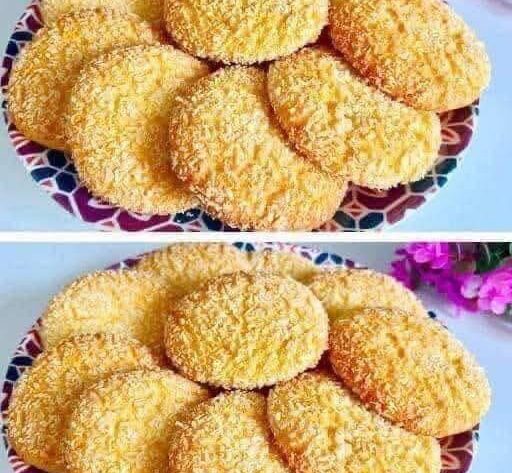
If you enjoy easy homemade desserts with rich flavor and a soft chewy texture, these coconut cookies are a wonderful recipe to try. Made with simple pantry ingredients, these cookies are light, golden, naturally fragrant, and packed with delicious coconut flavor in every bite. They are perfect for afternoon tea, holiday baking, family gatherings, snack platters, or quick homemade desserts when you want something fast and satisfying.
Coconut desserts have always been popular in tropical and Mediterranean kitchens because coconut adds natural sweetness, delicate texture, and a warm bakery-style aroma. These homemade coconut cookies combine all those comforting qualities into one easy recipe that anyone can prepare. Even beginner bakers can make these cookies successfully without special equipment or complicated techniques.
One of the best things about this easy coconut cookie recipe is how versatile it is. The cookies can be served plain, dusted with powdered sugar, dipped in melted chocolate, or flavored with citrus zest and spices. Their crisp outer layer and tender center create the perfect balance that makes them hard to resist.
Unlike many traditional cookie recipes, this version uses no flour, making it naturally gluten-free. The desiccated coconut acts as the main structure of the dough while also providing moisture and richness. Eggs help bind everything together, while sugar caramelizes slightly during baking to create a lightly golden finish.
These cookies are ideal for busy schedules because they require very little preparation time. In less than thirty minutes, you can enjoy warm freshly baked coconut cookies straight from your oven. Whether you are preparing desserts for guests or simply craving a sweet homemade snack, this recipe delivers reliable and delicious results every time.
Why These Coconut Cookies Turn Out Perfect Every Time
The success of this chewy coconut cookie recipe comes from the balance of ingredients and the simplicity of the method. Each ingredient has an important role in creating the final texture and flavor.
Desiccated coconut is the foundation of the recipe. It provides structure, chewiness, natural oils, and the signature tropical taste that makes coconut desserts so popular worldwide. Because coconut contains healthy natural fats, the cookies remain moist and tender without requiring butter or vegetable oil.
Eggs are equally important because they act as a natural binder. They hold the mixture together while adding richness and softness. When baked, the eggs help create a delicate texture that is slightly crisp outside while remaining soft in the middle.
Granulated sugar sweetens the cookies and also contributes to browning during baking. As the sugar heats in the oven, it creates a beautiful golden color and subtle caramelized flavor.
Vanilla extract enhances the overall aroma and gives the cookies a warm bakery-style taste. A small amount of baking powder prevents the cookies from becoming dense and heavy, helping them stay light and airy.
A pinch of salt may seem small, but it plays a powerful role by balancing sweetness and intensifying the coconut flavor naturally.
Another reason this homemade coconut dessert works so well is its flexibility. The dough can easily be adjusted depending on the texture of the coconut used. If the mixture feels too dry, adding a small amount of milk creates the perfect consistency without changing the flavor.
This recipe is also ideal for creative variations. You can include chopped nuts, mini chocolate chips, cinnamon, orange blossom water, lemon zest, or almond extract to create exciting new flavor combinations while still maintaining the original coconut base.
The Secret to Soft and Chewy Coconut Cookies
Many people struggle with coconut cookies becoming too dry or overly crunchy. The key is controlling moisture and baking time carefully.
The cookies should only bake until the tops become lightly golden. Overbaking removes too much moisture and creates a hard texture. Once removed from the oven, the cookies continue firming up while cooling on the tray.
Using fresh, good-quality desiccated coconut also makes a huge difference. Older coconut tends to absorb too much moisture, resulting in crumbly cookies that fall apart easily.
Another important tip is not overmixing the dough. Stir only until all ingredients are combined. Overworking the mixture can make the cookies dense instead of soft and chewy.
Shaping also matters. Slightly compact cookie balls hold together better and bake more evenly. Leaving a little space between cookies on the baking tray allows proper air circulation and even browning.
What Makes Coconut Desserts So Popular
Coconut-based sweets are loved around the world because coconut pairs beautifully with many flavors. Its naturally sweet, nutty profile complements vanilla, chocolate, caramel, citrus fruits, coffee, cinnamon, and nuts.
In many cultures, coconut desserts are associated with celebrations, hospitality, and family traditions. Coconut cookies are commonly prepared during holidays, weddings, tea gatherings, and festive occasions because they are affordable, simple, and universally loved.
Another reason coconut desserts remain popular is their satisfying texture. Coconut creates a chewy bite that feels rich without being overly heavy. This makes coconut cookies enjoyable year-round, whether served with hot tea in winter or cold drinks during warmer months.
Because these cookies are naturally flourless, they are also suitable for people searching for gluten-free dessert recipes. Their simple ingredient list makes them accessible and convenient for many households.
Helpful Baking Tips for Better Coconut Cookies
Use Fresh Ingredients
Fresh eggs, fresh coconut, and fresh baking powder produce the best results. Stale ingredients can affect texture and flavor significantly.
Measure Carefully
Too much coconut can make the dough dry, while too much liquid can cause spreading. Measuring ingredients accurately helps maintain the perfect balance.
Do Not Skip the Salt
Even a tiny amount of salt improves sweetness and deepens the coconut flavor.
Chill the Mixture if Needed
If the dough feels too soft, chilling it for 10–15 minutes makes shaping easier.
Add Flavor Variations Carefully
Coconut has a delicate flavor, so additional ingredients should complement rather than overpower it.
Popular additions include:
- Lemon zest
- Orange zest
- Almond extract
- Cinnamon
- Dark chocolate chips
- Chopped almonds or pistachios
- Dried cranberries or raisins
Creative Ways to Serve Coconut Cookies
These cookies are incredibly versatile and can be presented in many beautiful ways.
Serve them with hot tea, cappuccino, espresso, or warm milk for a cozy afternoon snack. They also pair wonderfully with vanilla ice cream or chocolate sauce for an elegant dessert plate.
For holidays or parties, drizzle melted dark chocolate over the cookies and sprinkle extra coconut flakes on top for a bakery-style presentation.
You can also package them in decorative boxes or jars as homemade edible gifts during festive seasons.
These coconut cookies are perfect for:
- Tea parties
- Dessert platters
- Eid celebrations
- Christmas cookie trays
- Family gatherings
- School snack boxes
- Coffee breaks
- Homemade gift baskets
How to Store Coconut Cookies Properly
Proper storage keeps the cookies fresh and chewy for several days.
Store completely cooled cookies in an airtight container at room temperature. They usually stay fresh for about five days.
For longer storage, freeze the cookies in sealed freezer-safe containers or bags. Allow them to thaw naturally before serving.
To maintain freshness, place parchment paper between cookie layers when stacking them.
Avoid storing cookies in humid environments because coconut absorbs moisture quickly.
Nutritional Benefits of Coconut
Although coconut cookies are a dessert, coconut itself contains several nutritional properties that make it unique.
Coconut contains natural fats that help provide energy and contribute to satiety. Eggs add protein and essential nutrients, while coconut also offers small amounts of fiber and minerals.
Because this recipe contains no flour, it is naturally gluten-free, making it suitable for individuals avoiding wheat-based desserts.
Like all sweet treats, moderation is important, but these cookies can absolutely be enjoyed as part of a balanced lifestyle.
The Cultural Influence of Coconut in Baking
Coconut has been used in traditional baking for centuries across Asia, Africa, the Caribbean, and the Middle East. In North African and Moroccan baking traditions, coconut often appears in pastries, cookies, and festive sweets flavored with citrus blossom water and spices.
In Southeast Asian cuisine, coconut is valued for both savory and sweet dishes because of its creamy texture and rich aroma. Caribbean desserts also heavily feature coconut due to the abundance of tropical ingredients in the region.
These homemade coconut cookies reflect the universal popularity of coconut in global baking traditions while remaining simple enough for everyday home kitchens.
Why You Should Try This Coconut Cookie Recipe
There are countless cookie recipes available, but this one stands out because it combines simplicity, flavor, and texture perfectly.
You do not need advanced baking skills or expensive ingredients. The preparation is quick, the method is beginner-friendly, and the results taste bakery-quality.
These cookies are:
- Soft and chewy
- Naturally gluten-free
- Easy to customize
- Budget-friendly
- Perfect for holidays and tea time
- Made with simple pantry ingredients
- Ready in under 30 minutes
Whether you enjoy coconut desserts regularly or are trying them for the first time, this easy coconut cookie recipe is guaranteed to become a favorite in your kitchen.
The warm coconut aroma filling your home while these cookies bake is reason enough to make them again and again.
Part 2: Simple Coconut Cookies Recipe
Easy Coconut Cookies Recipe
Ingredients
- 3 cups desiccated coconut
- 2 large eggs
- ¾ cup white granulated sugar
- 1 teaspoon vanilla extract
- 1 teaspoon baking powder
- Pinch of salt
- 1–2 tablespoons milk (only if needed)
- Powdered sugar for coating (optional)
Kitchen Equipment
- Large mixing bowl
- Whisk or fork
- Baking tray
- Parchment paper
- Measuring cups and spoons
- Spoon or cookie scoop
- Oven
Instructions
Step 1: Prepare the Oven
Preheat oven to 170°C (340°F). Line a baking tray with parchment paper.
Step 2: Combine Wet Ingredients
In a mixing bowl, whisk eggs, sugar, and vanilla extract until smooth and slightly creamy.
Step 3: Add Dry Ingredients
Mix in desiccated coconut, baking powder, and salt until fully combined.
Step 4: Adjust Consistency
If the mixture feels dry, add milk gradually until the dough becomes soft and easy to shape.
Step 5: Shape Cookies
Form small balls or flattened discs using your hands or a spoon. Arrange them on the prepared tray with slight spacing.
Step 6: Optional Decoration
Dust lightly with powdered sugar before baking if desired.
Step 7: Bake
Bake for 12–15 minutes or until the tops turn lightly golden.
Step 8: Cool and Serve
Allow cookies to cool on the tray for about 10 minutes before serving.
Serving Ideas
- Enjoy with tea or coffee
- Serve alongside vanilla ice cream
- Drizzle with melted chocolate
- Add to dessert platters
- Pack into festive gift boxes
Preparation Time
- Prep Time: 10 minutes
- Bake Time: 12–15 minutes
- Cooling Time: 10 minutes
- Total Time: Approximately 30 minutes